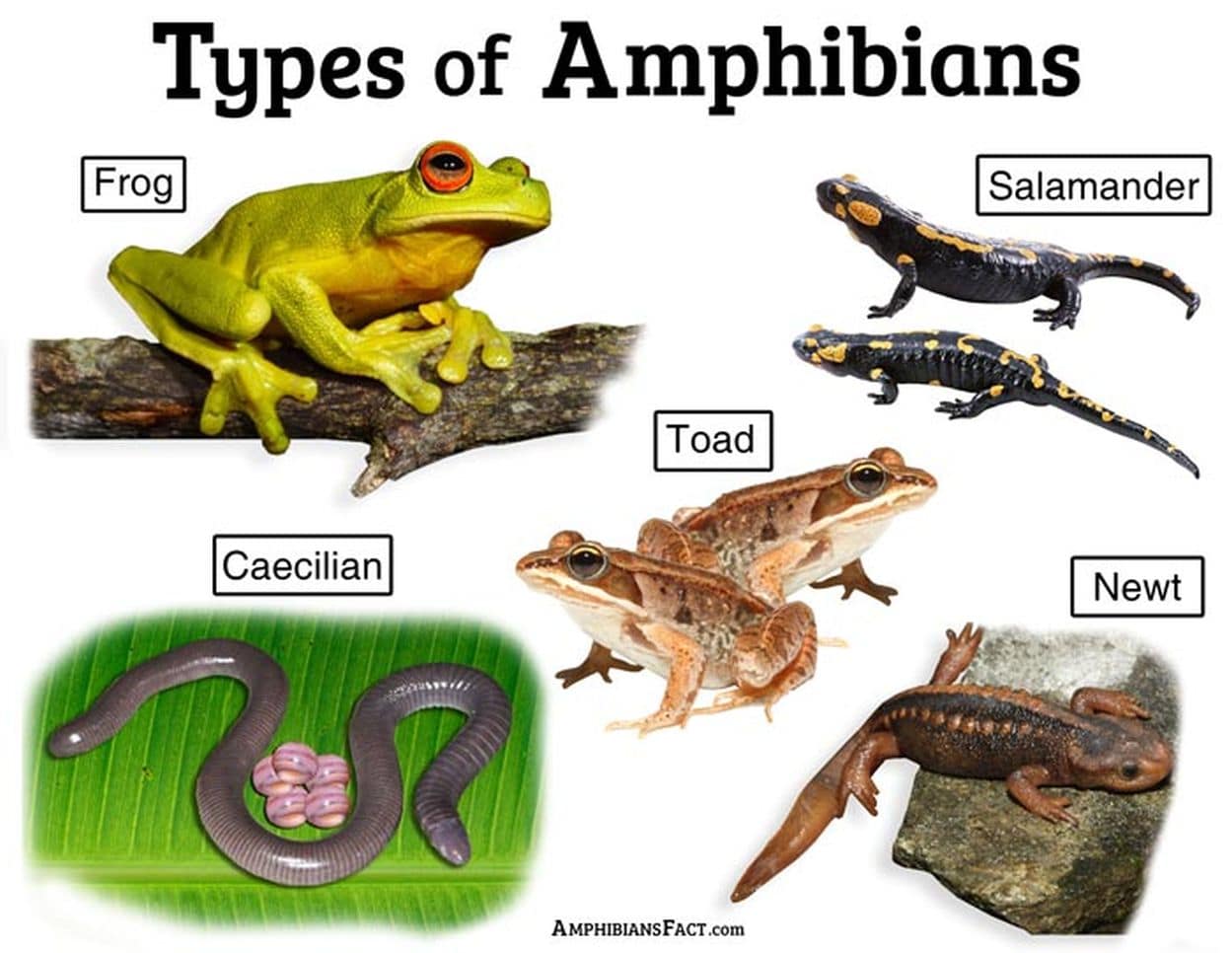
Amphibians and reptiles are two very distinct groups of animals, yet they are often confused for each other or thought to be the same thing.
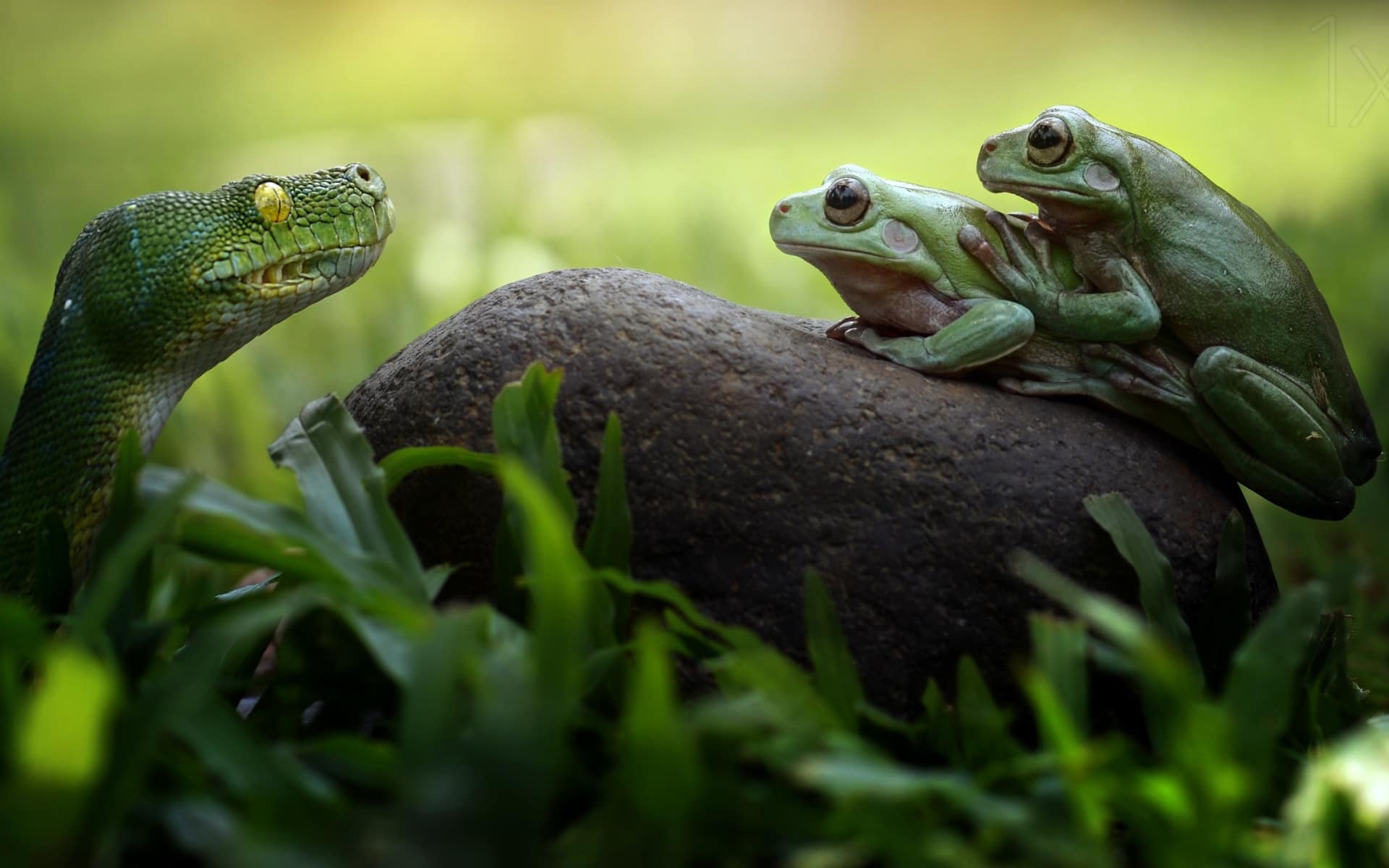
Here’s a short summary why they’re different:
SKIN: Reptiles are covered in hard, keratinous scales that protect them, whereas amphibians have soft, absorbent skin that needs to be kept moist.
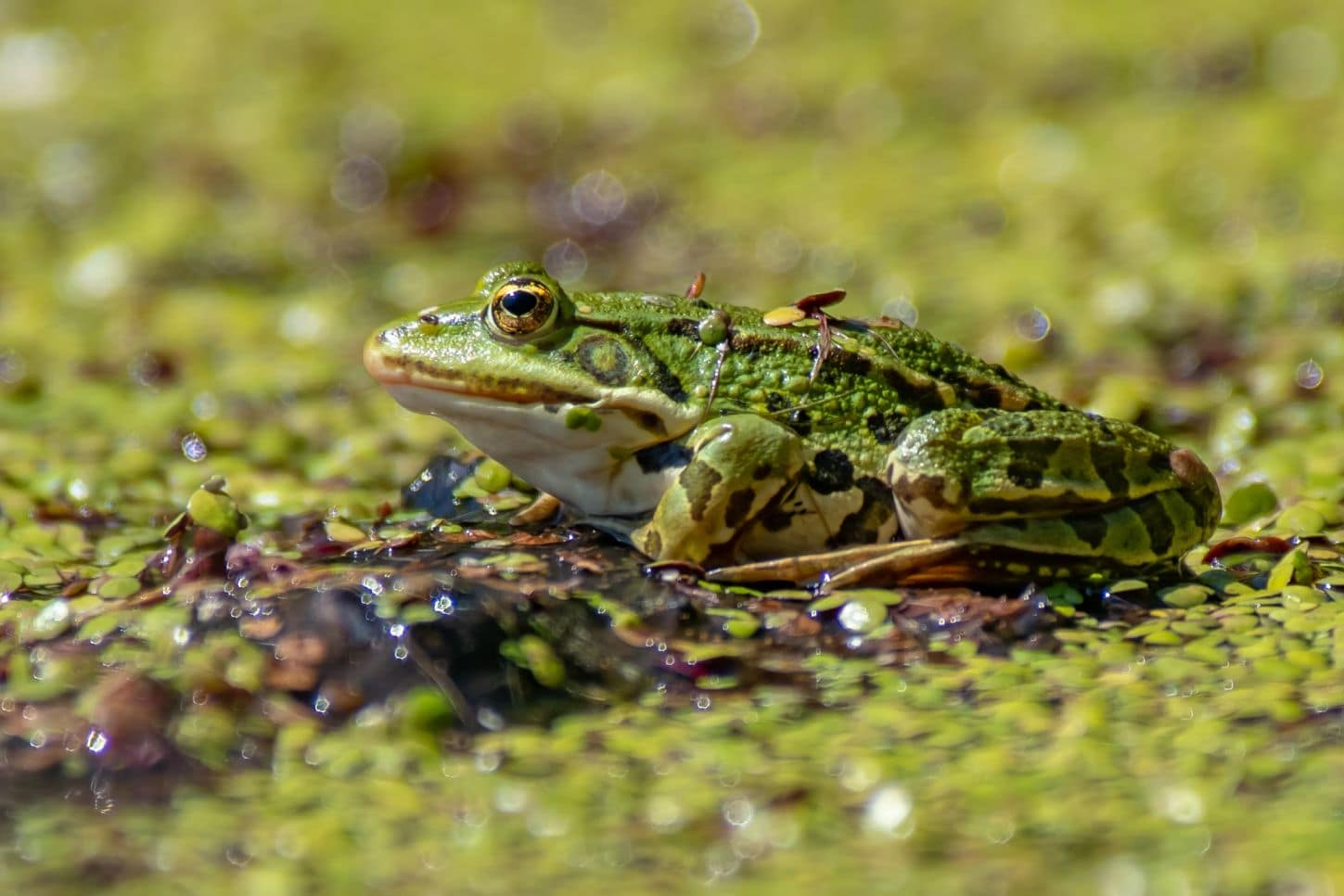
HABITAT: While adult amphibians are able to breathe air and live on land, they still have to return to the water to breed and must keep their skin moist. Reptiles do not metamorphose and most spend their lives on land.
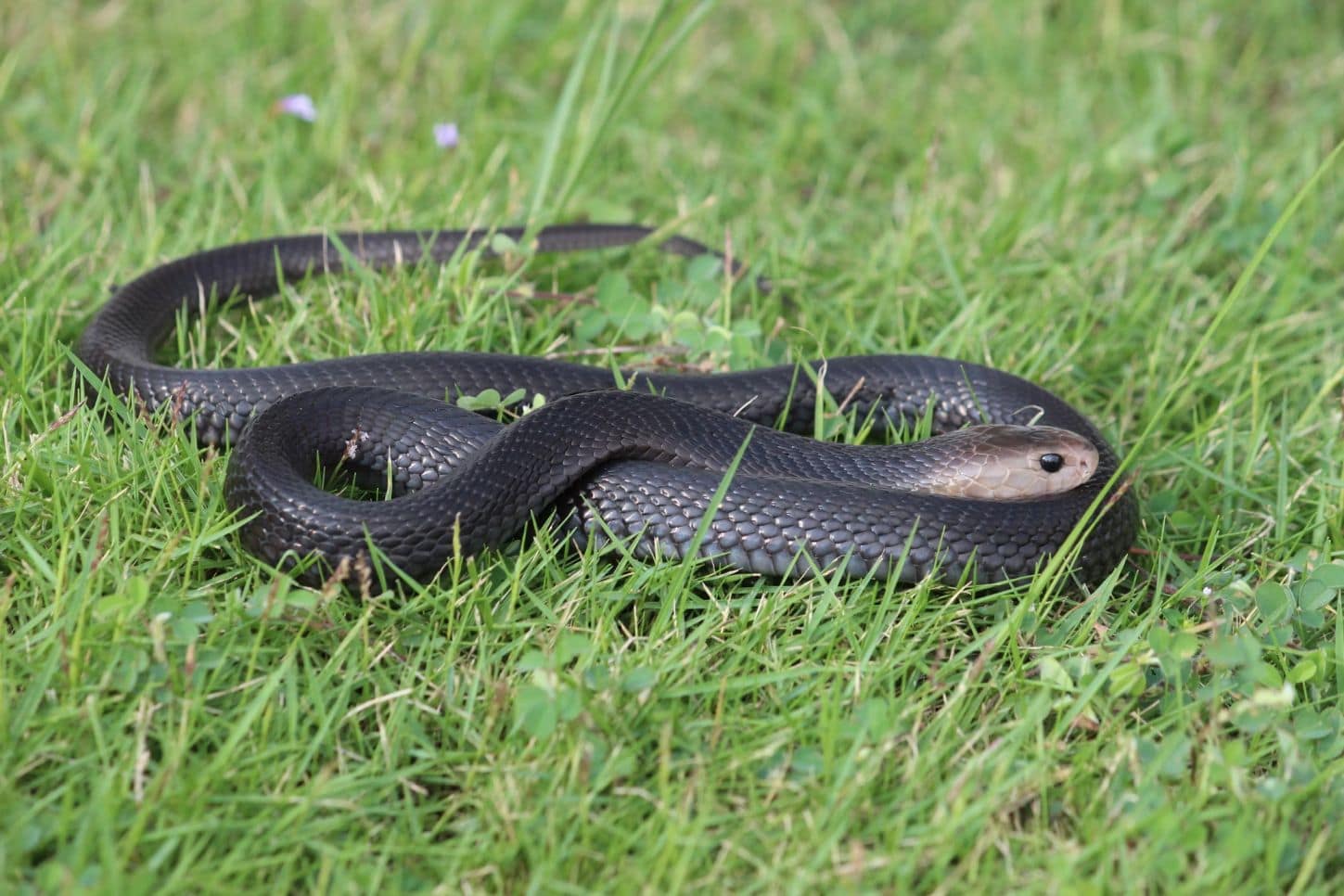
ENVIRONMENT: Amphibians (in particular frogs and toads) are more likely to be spotted in the spring and summer basking in ponds or other freshwater habitats, whereas reptiles are most often found basking on dry surfaces such as rocks, logs or bare patches of ground.
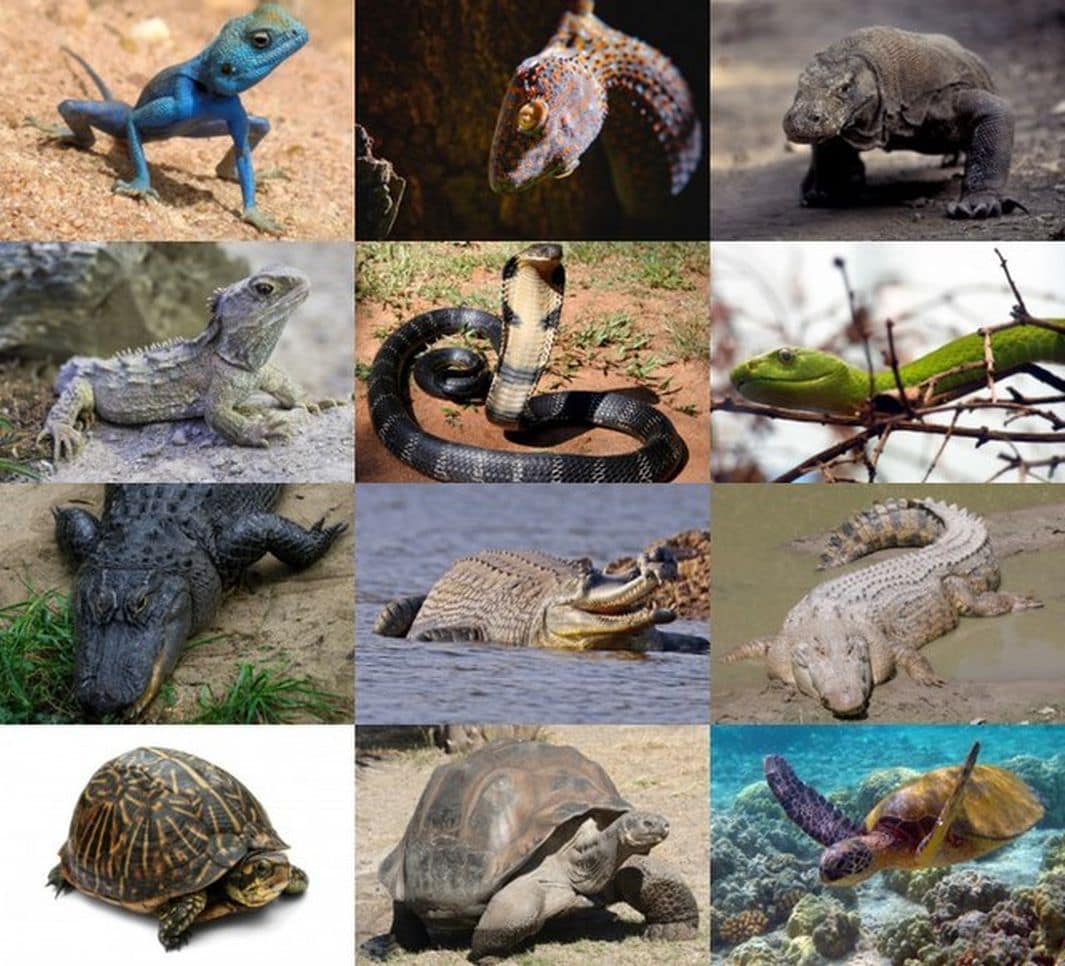
SPEED: In addition, amphibians are generally slower-moving than reptiles – if you disturb a basking snake or lizard, it will usually scuttle or slither away much faster than a newt or toad that will crawl, or in the frog’s case, hop.
(Source text: BBC Wildlife Magazine – Amphibian and Reptile Conservation)