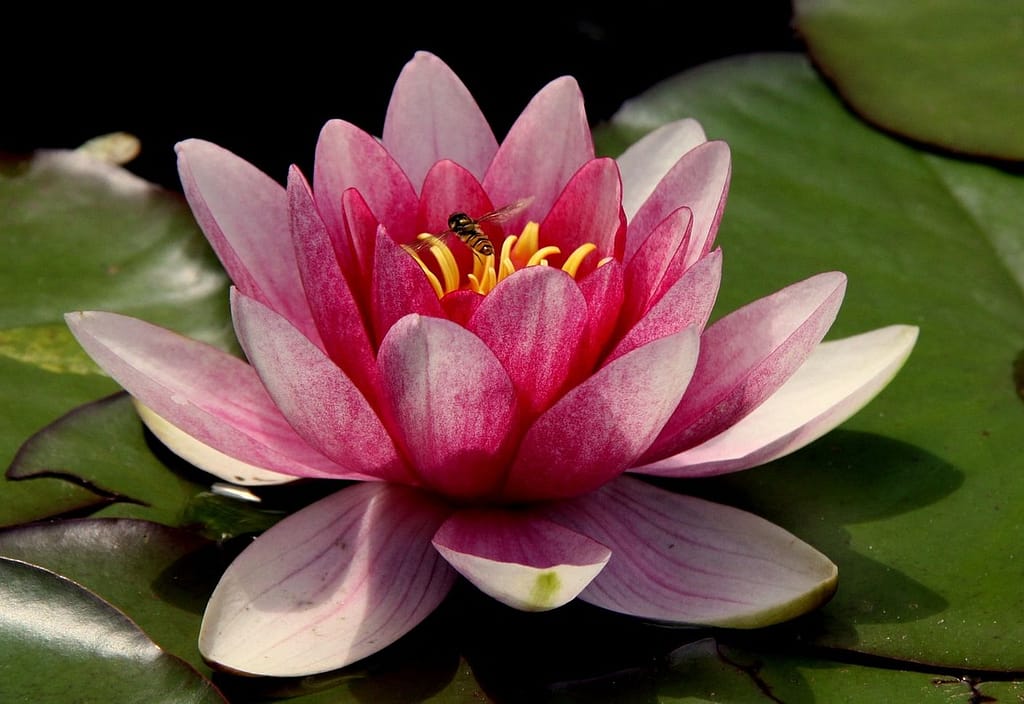
Lotus flowers, known for their natural beauty and varying features, have deep roots in history. Researchers estimate that the first lotus flower grew between 145.5 million years and 65.5 million years ago.

What features have made the lotus flower so impervious to natural disasters and capable of withstanding the test of time? The secret lies in their unique growth pattern. Lotus flower seeds can survive for thousands of years, even without water.
The Yangtze River in Asia catastrophically flooded in 1954, putting this characteristic to the test. That year, the lotuses in the region died as their root systems were torn. This lasted until 1957 when the water levels finally receded.

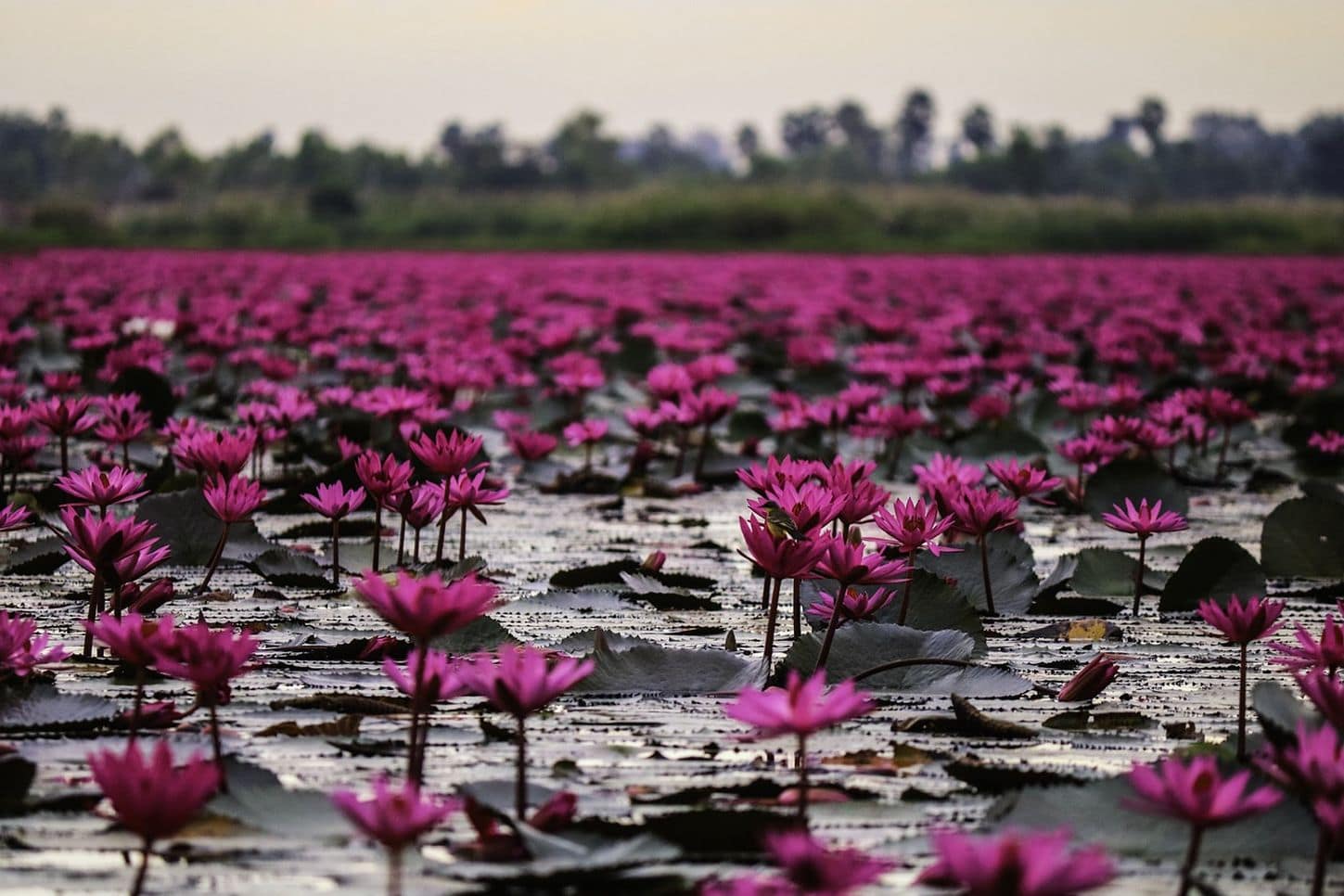
As soon as the water levels returned to normal, the lotus flowers picked back up as if nothing had happened. They began to grow again in vast populations, concentrated mostly in the shallow parts of the lake. This growth was possible because, although the lotus roots were destroyed, their seeds had remained intact even throughout the flooding.
Adding to the lotus flower’s durability is the fact that it can purify the water it grows in, and can even resist pollution! They submerge below the water each night and rebloom in the morning, without trapping any damaging residue from their environment, no matter how acidic or dirty it might be.