Ankylosaurus (the dinosaur-tank)

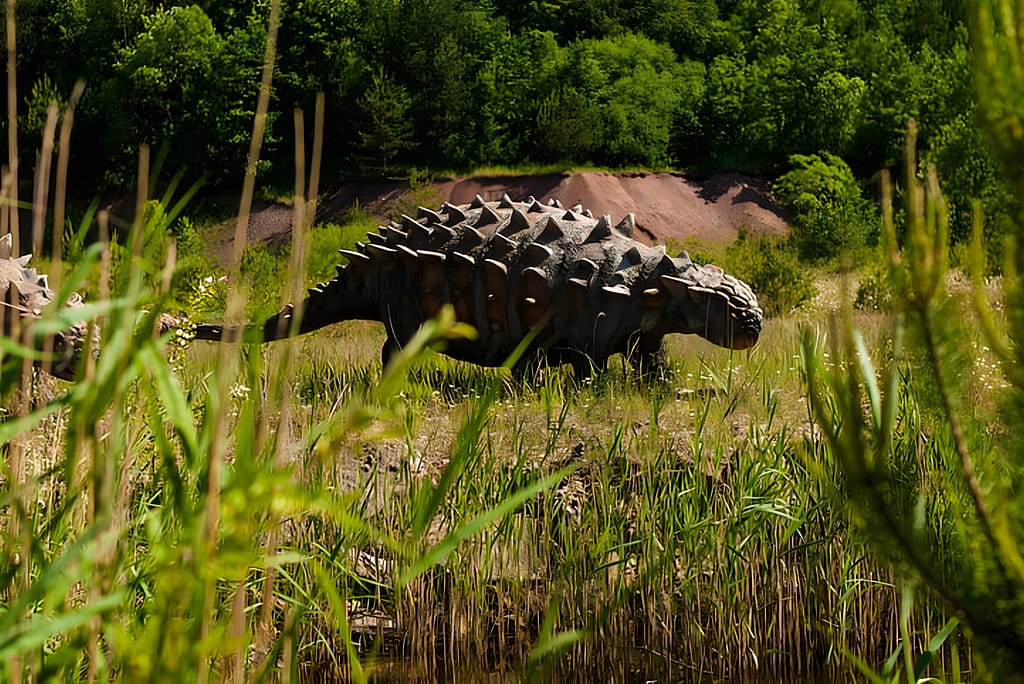
The armor of the Ankylosaurus  is a particularly unique feature. Made up of bone plates called osteoderms (or scutes) and knobs of bones that were embedded in the skin, there was no area of this dinosaur with the exception of its vulnerable underbelly that was not protected by thick bony armor. Even the eyelids of this wide beast were made of bone.
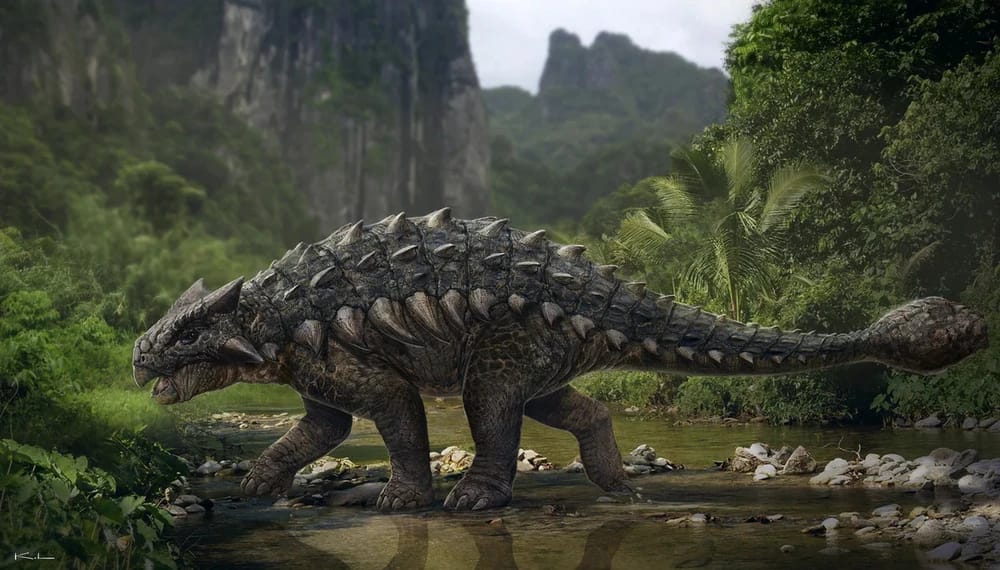
Ankylosaurus is the largest member of its family measuring at 30 feet long and 5 feet wide (9 meters long and 1,5 meter wide). Standing at around 5 ½ feet tall (1,6 meters tall), this incredible beast weighed in at around 13,000 lbs (+/- 6 tons).

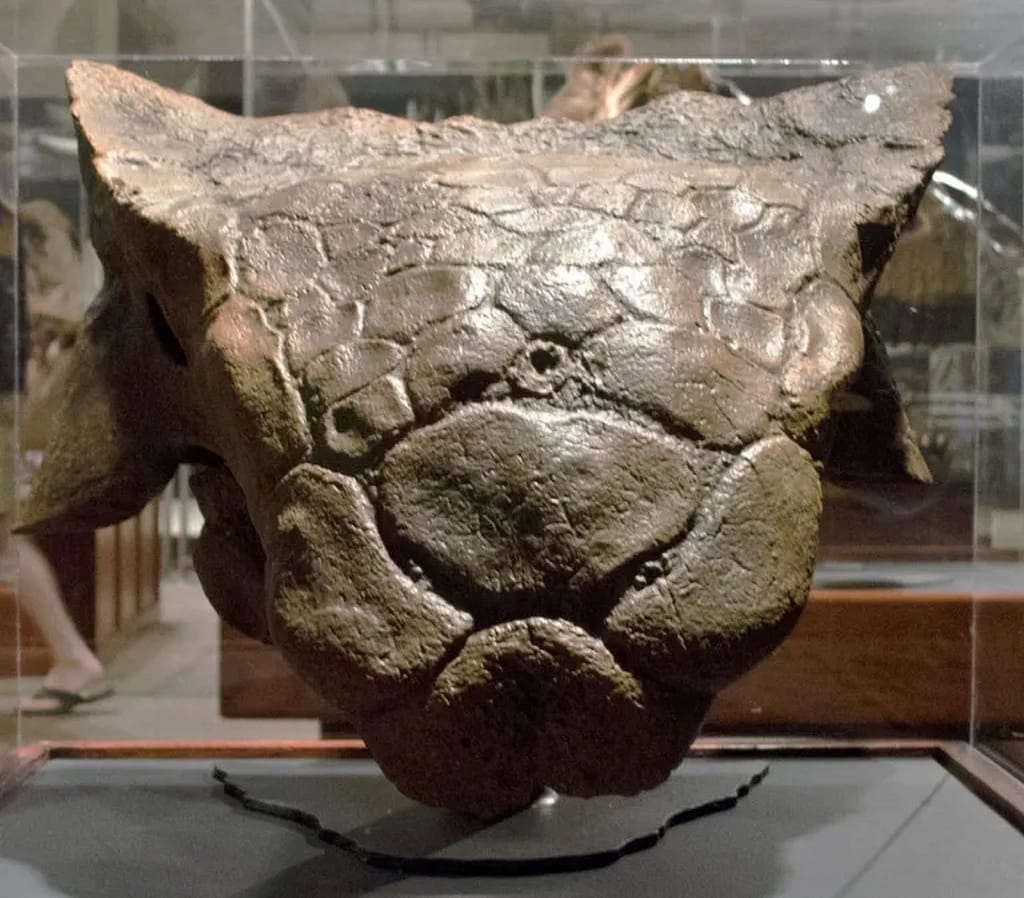
The skull of this dinosaur also features four longer horns which projected from either side offering protection from predators.
The tail of Ankylosaurus is also believed to have featured a number of spikes that not only protected but also provided an incredibly destructive weapon. These spikes ran down the length of the body and the tail beginning at the short neck and ending at the tail club.
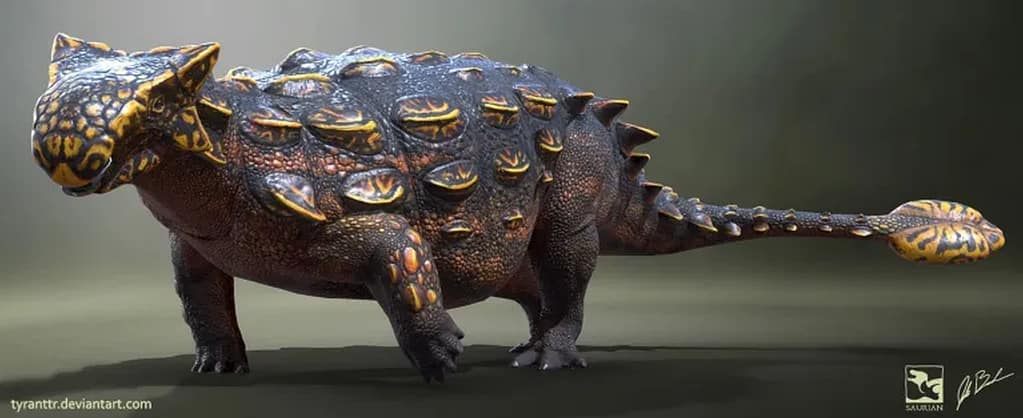
As if the thick spines along the body weren’t enough to deter predators, the large bony knob at the end acted as a battering club. This tank-sized creature may have fed on vegetation but it posed plenty of threat to fight even the most vicious of carnivores. 
Smilodon (the sabre-toothed tiger)

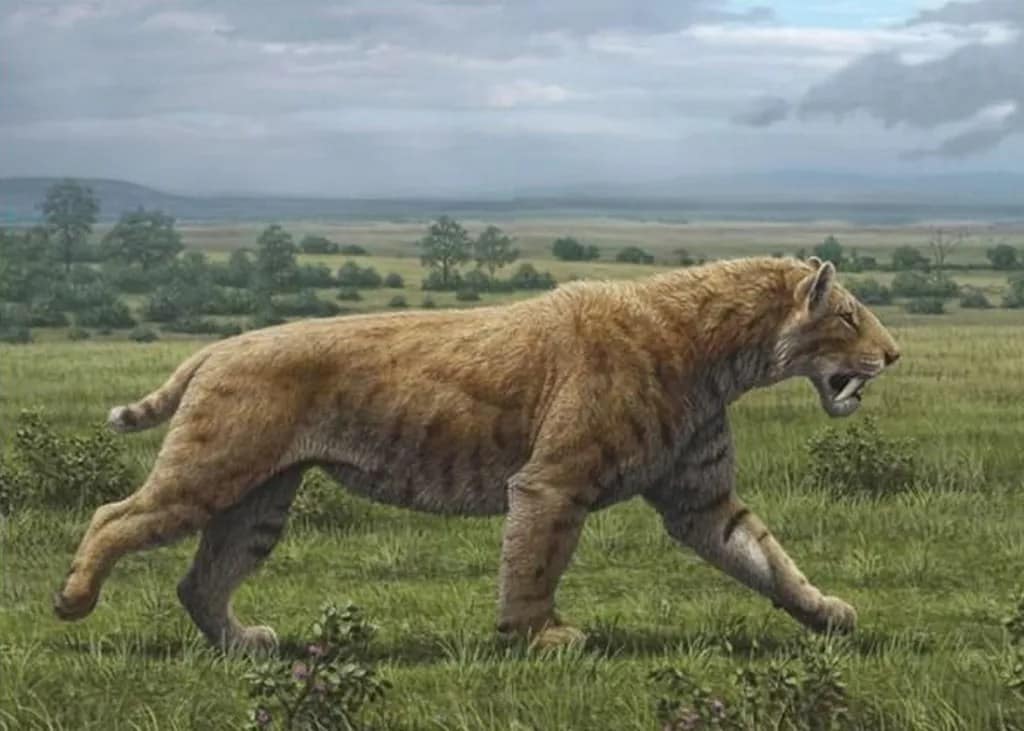
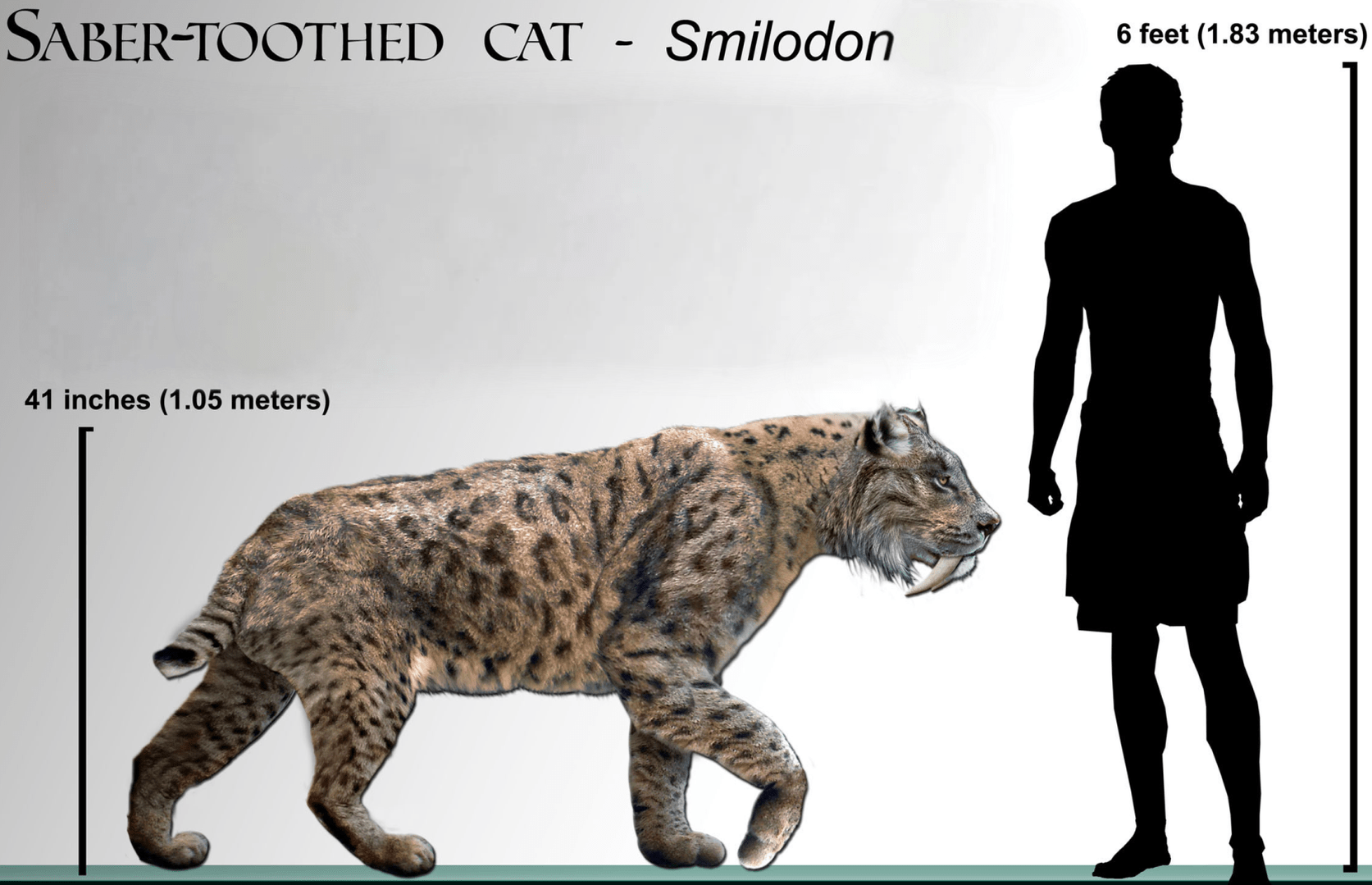
Smilodon was the largest saber-tooth cat (popularly known as the sabre tooth tiger). It was a fierce predator about 1.5 – 2,3 metres long (4 feet – 7 feet) and 1.2 metres (3 feet) tall. It weighed about 400 kg (882 lbs). It was a bit smaller than a modern-day lion but much heavier.

Its front legs were especially powerful and its body was adapted for springing onto prey, but it was not a very fast runner and could not be adapted for chasing after fast running prey like deer. It could hunt some slower animals such as ground sloths and early humans.

Its skull had 2 huge saber-like canine teeth and these were serrated, and up to 18 cm long (8 inches). Smilodon had powerful jaws that opened to an angle of about 120 degrees while on the other hand, today’s lions can only open their jaws at 65 degrees.

Smilodon also had very strong jaw and neck muscles to stab prey with its deadly canine sabre teeth. Its front incisor teeth may also have been used to wrip away strips of flesh from the bones of its prey.

Sunset moth (the most colorful insect)

One of the most amazing insect species hails from Madagascar.
It’s the Sunset Moth.

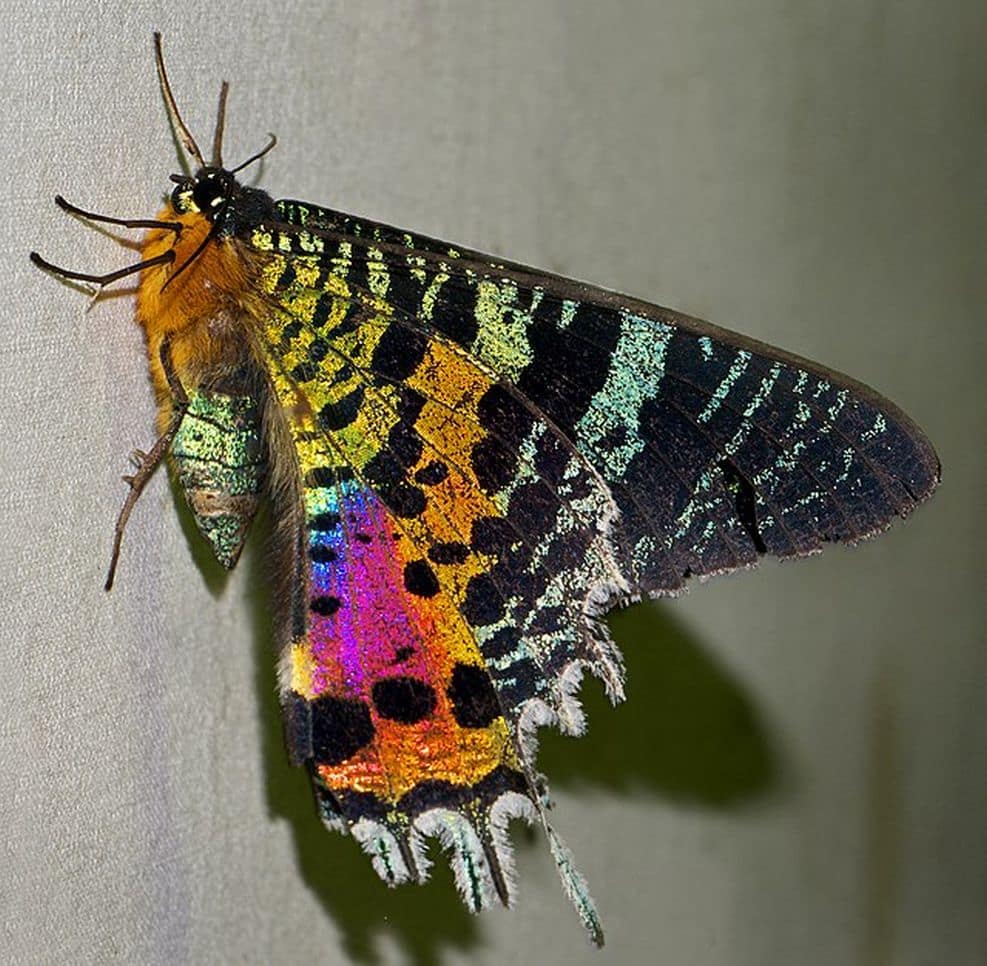
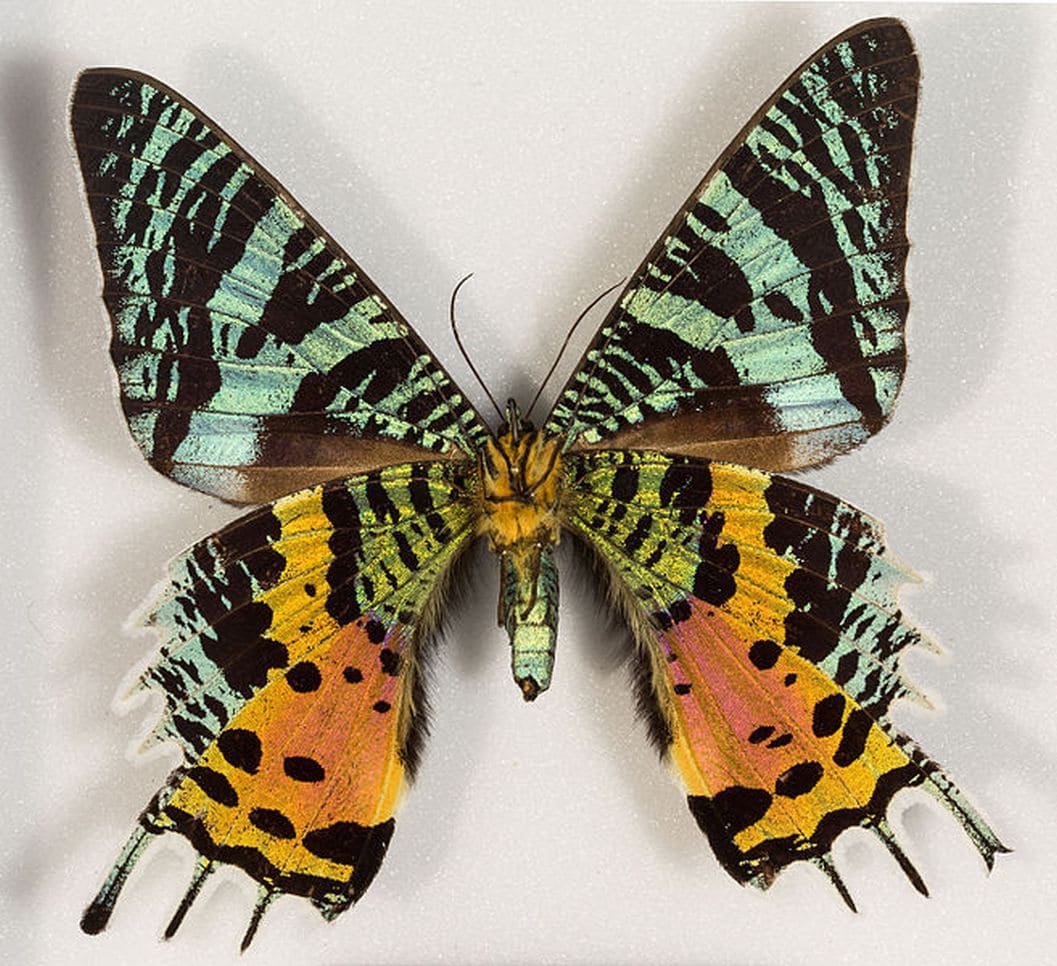
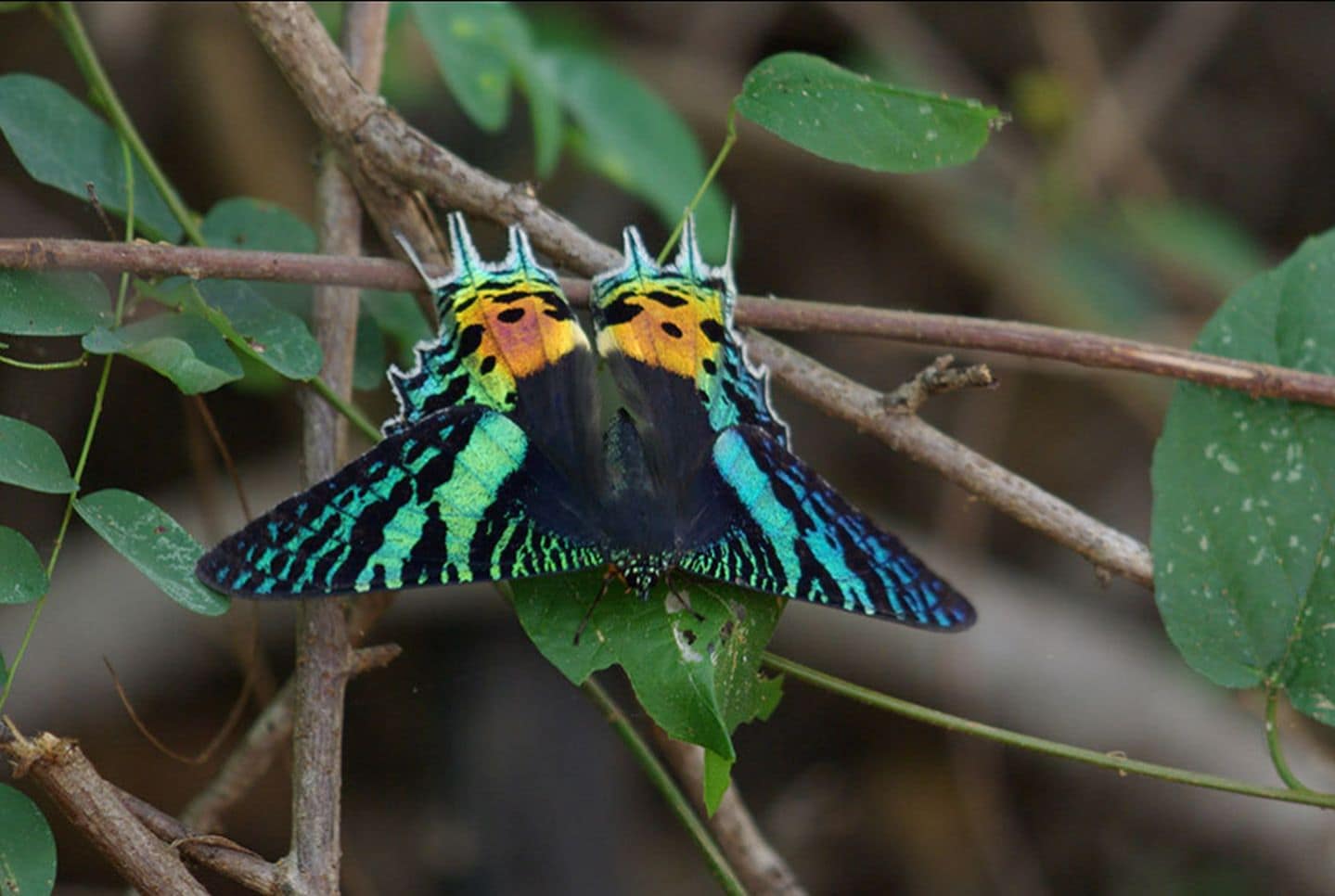
Known for its brilliant technicolor wing display, the Madagascar sunset moth (Chrysiridia rhipheus) is an indigenous moth species found throughout most parts of the island. Sunset moths wings have brilliant color patterns that incorporate blues, reds, greens, oranges, yellows, and more.

Unlike most moth species, sunset moths are mostly active during the day. Swarms of moths will cover trees and vegetation during the day, settling down as a group for the night.

Adult moths mostly feed on the nectar from flowering plants with their long tongues. Sunset moths seem to be specifically attracted to white flowers, indicating that visual cues play a heavy role in their food selection.

Gulper eel (umbrella-mouth)

Think of the weirdest, creepiest, coolest creature you could imagine. Chances are, the ocean already has something like it. And that animal probably lives in the deep sea.

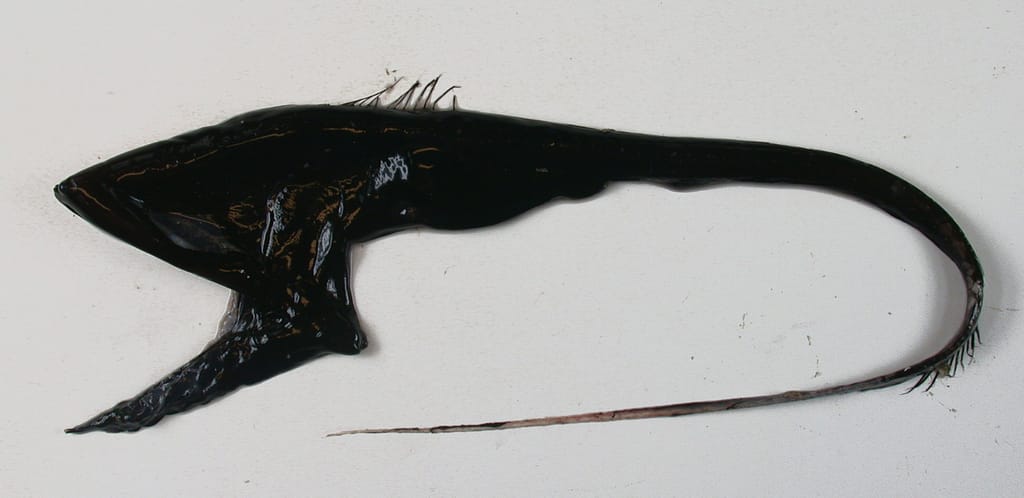
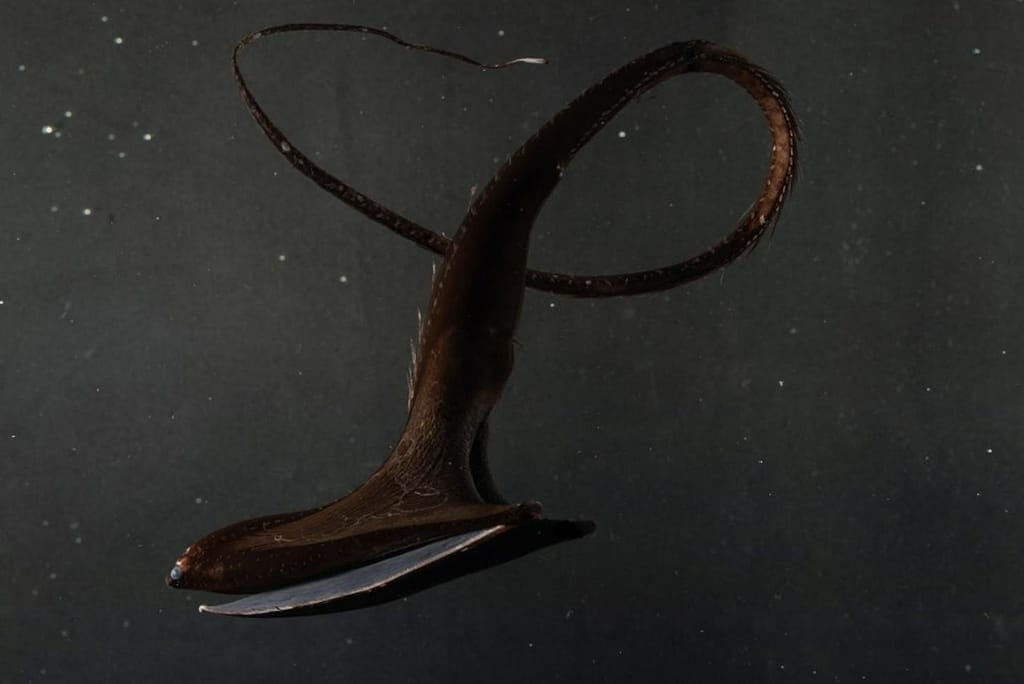
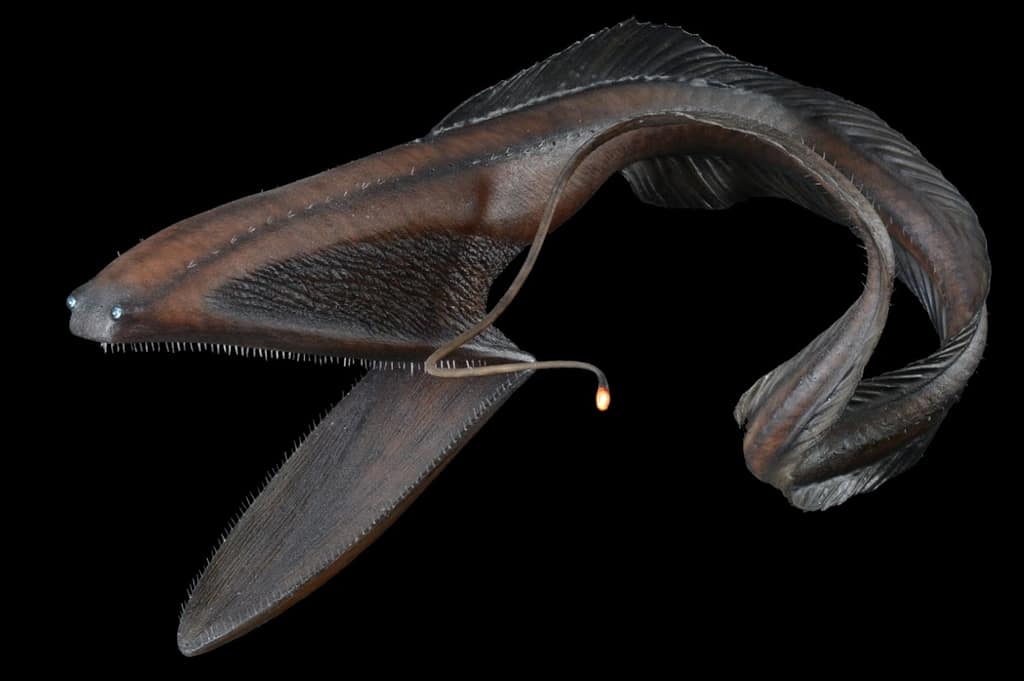
The mysterious gulper eel, also known as the pelican eel, is one of the most unusual deep-sea animals. It has a long, narrow body that wobbles back and forth to move through the water. 

They are dark in color and can reach about 2-3 feet in length (60-90 centimeters), which isn’t that big compared to other eel species. Gulper eels live in the deep sea, ranging from 1,600 to almost 10,000 feet below the surface (500 to 3000 meters).

However, gulper eels don’t need flashy colors or impressive size to stand out in the eel crowd. They have a trick up their sleeves (fins?) that makes them unlike any other eel species.

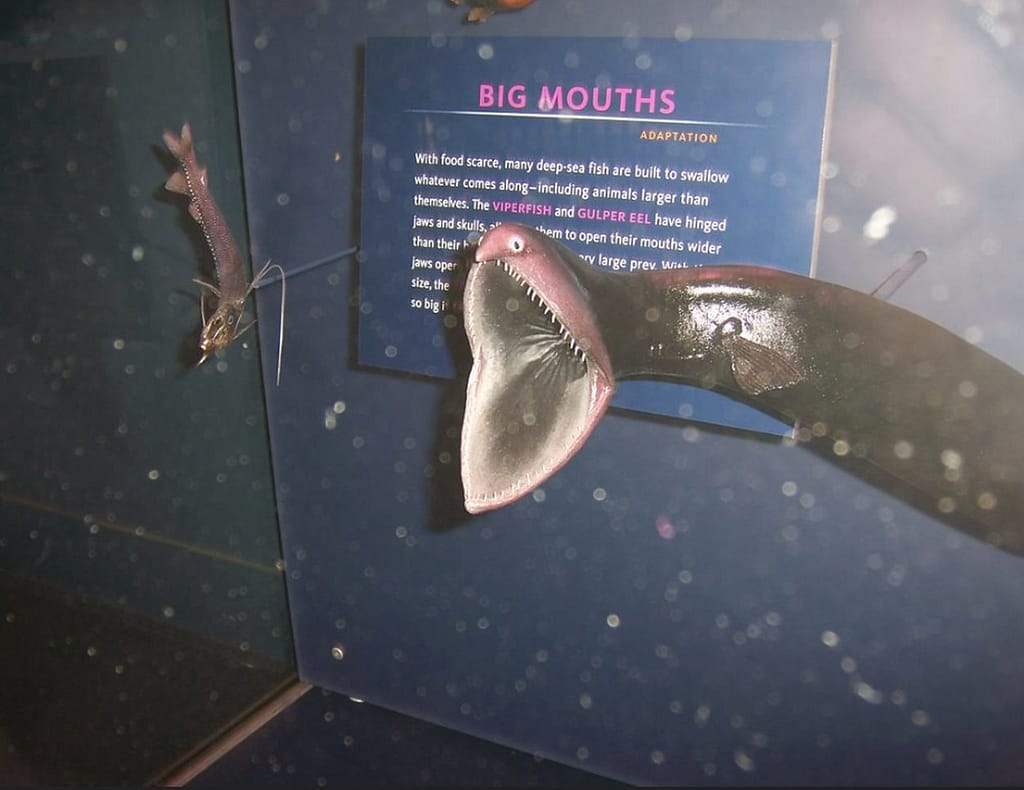
Gulper eels get their name from their massive, gulping mouth. It’s like an eel was combined with a massive black balloon. It allows them to scoop up water into its mouth to swallow prey whole. They primarily feed on crustaceans, fish and cephalopods, but some scientists believe their wide mouth allows them to go after larger fish if food is hard to find. 

Puff Adder (the deadliest snake in Africa)

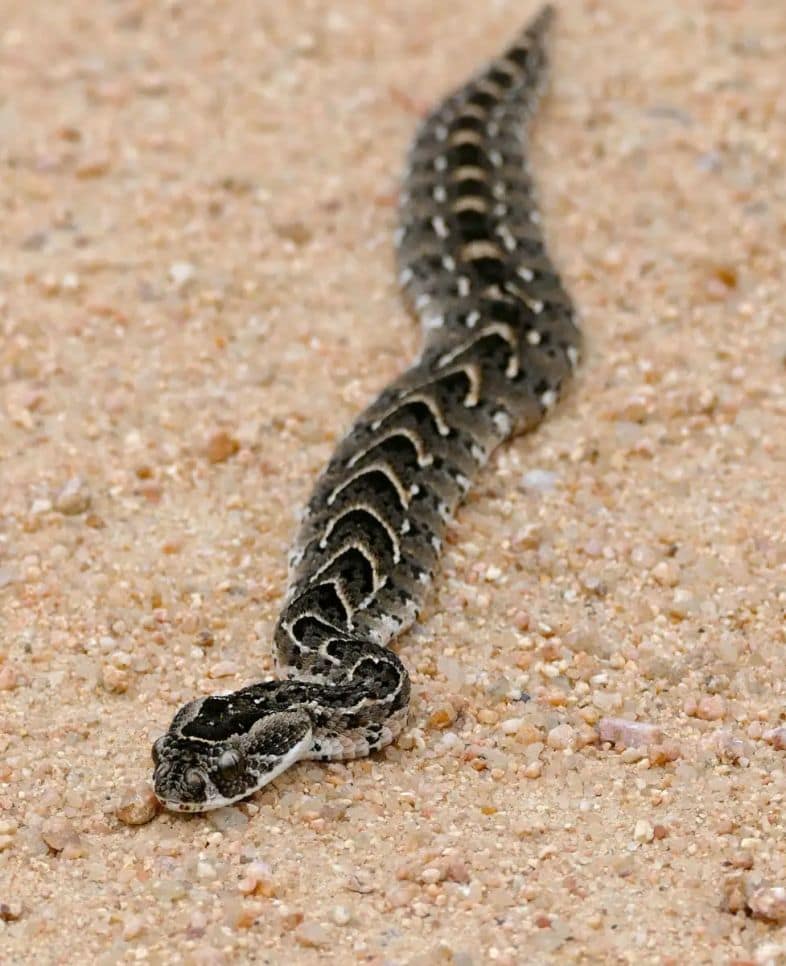
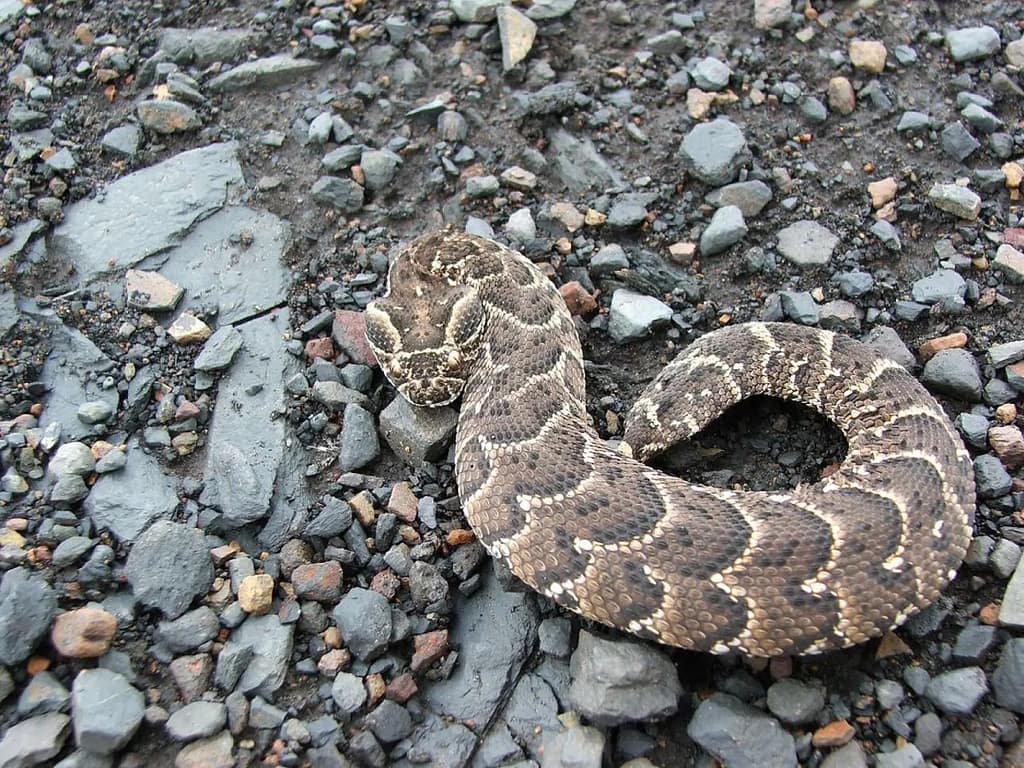
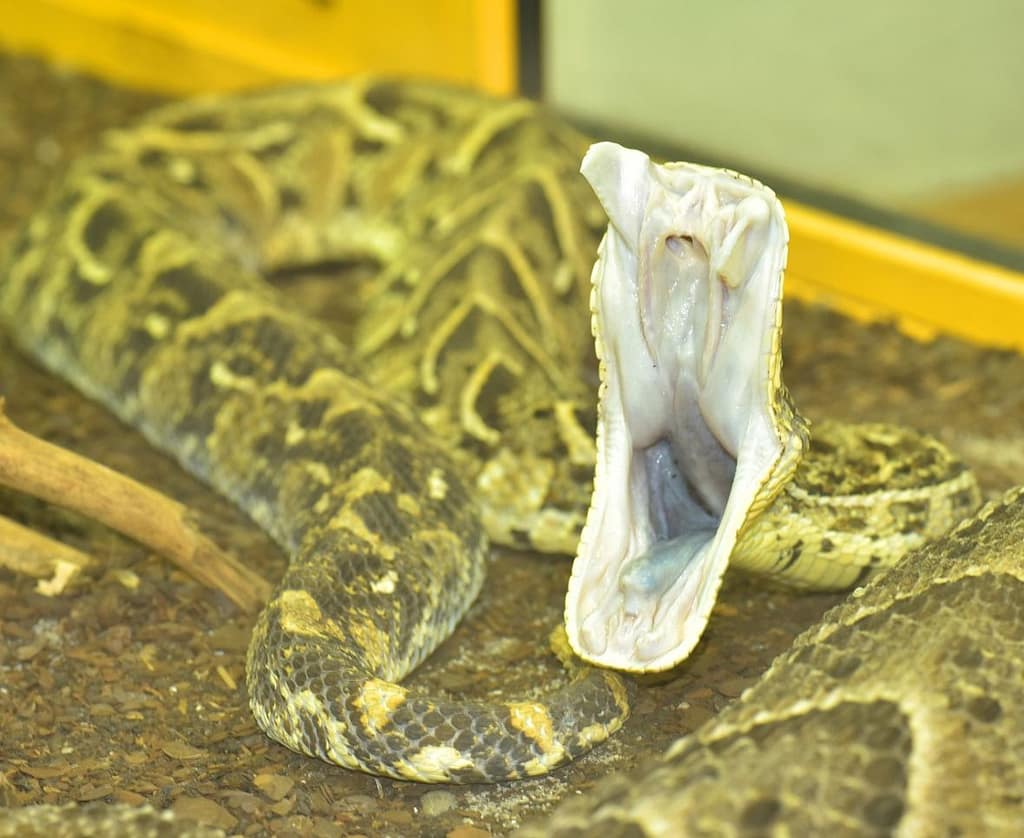
This thick, heavily-built snake has a large, flattened, triangular head and large nostrils which point vertically upwards. They are one of the few snakes that crawl on the ground in a straight line.

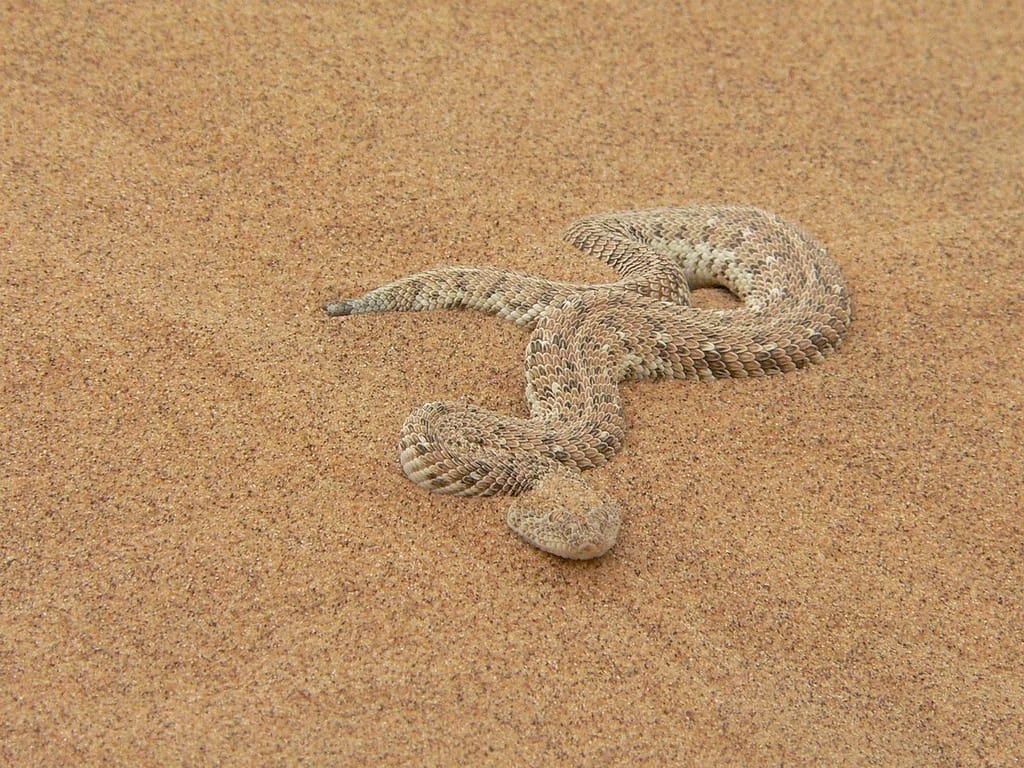
The body is yellow-brown to light brown, with black, pale-edged chevrons on the back and bars on the tail. The scale colours of the Puff Adder allows it to blend in with piles of leaves or sand and is well camouflaged.

The Puff Adder is an aggressive snake and is known to attack with little warning. It gets its name from the way it inflates itself and hisses when threatened. Consider the hissing sound of a Puff Adder as a warning. 

It has one of the fastest strikes out of all snakes and should be respected by all those who come in contact with it. Always remember that snakes are more afraid of you so be kind and respect their environment.

This venomous snake has large hinged front fangs that are capable of a painful bite and deep venom penetration. Death from a Puff Adder bite can happen and mostly occur from a secondary infection or poor medical care.

Narwhal (sea unicorns)

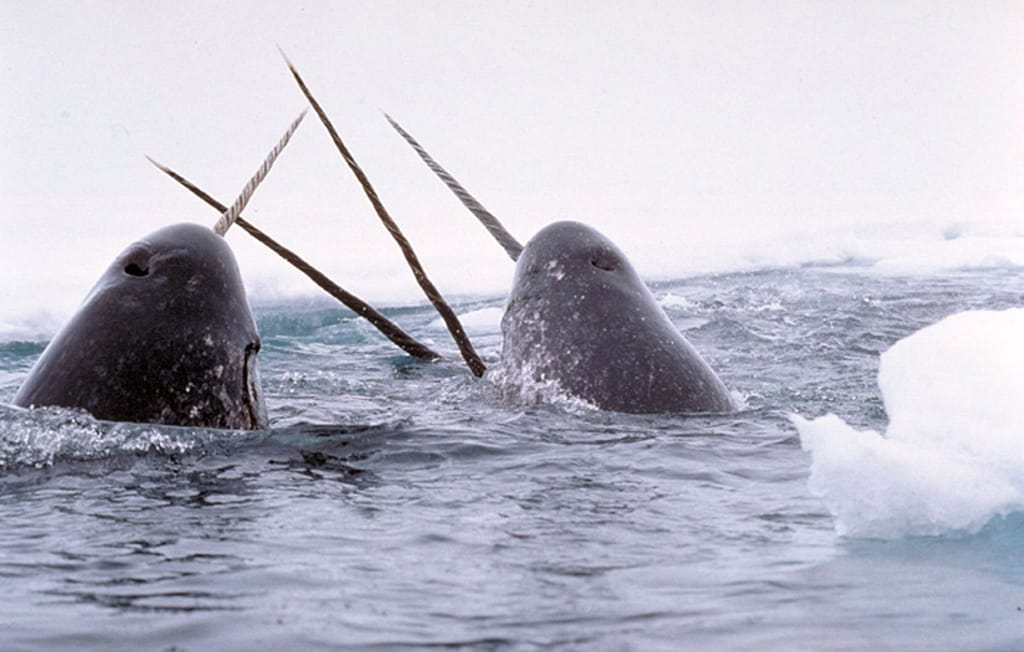
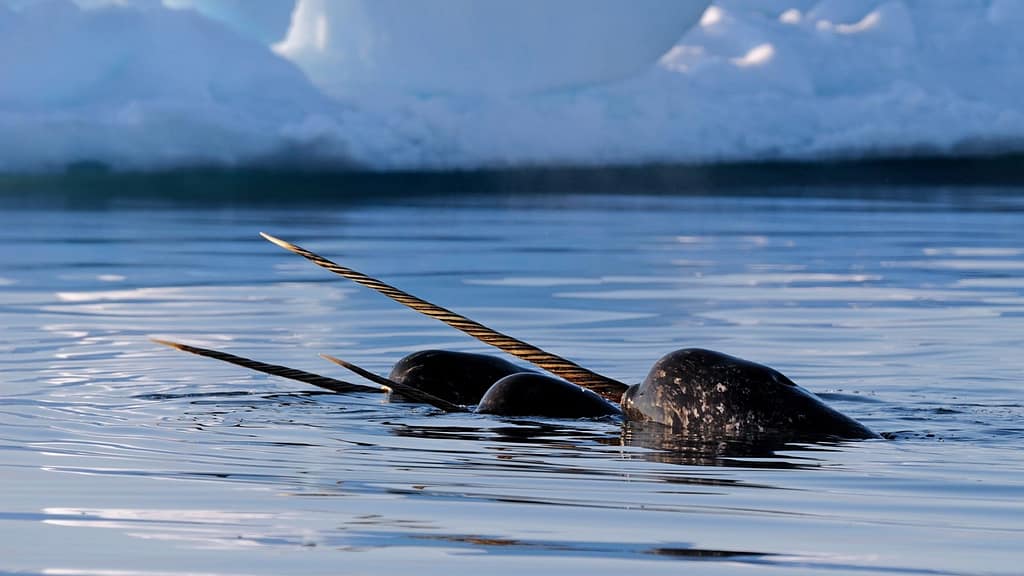
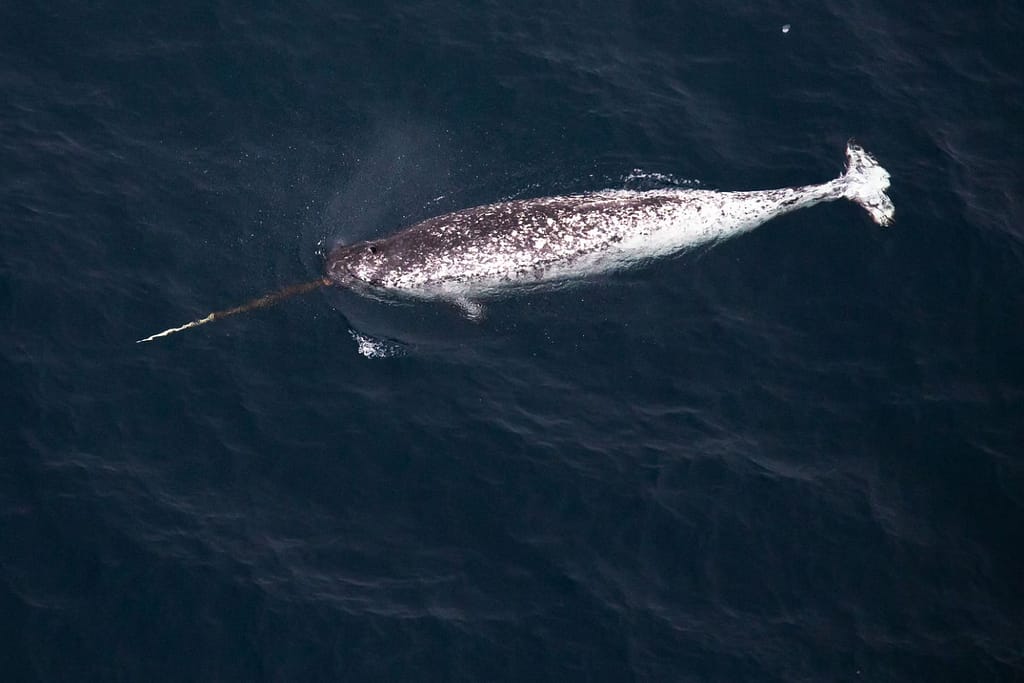
Narwhals are strange and beautiful creatures with long tusks protruding from their heads.

The narwhal tusk — most commonly found on males — is actually an enlarged tooth with sensory capability and up to 10 million nerve endings inside. Some narwhals have up to two tusks, while others have none. The spiraled tusk juts from the head and can grow as long at 10 feet (+/- 3 meters).

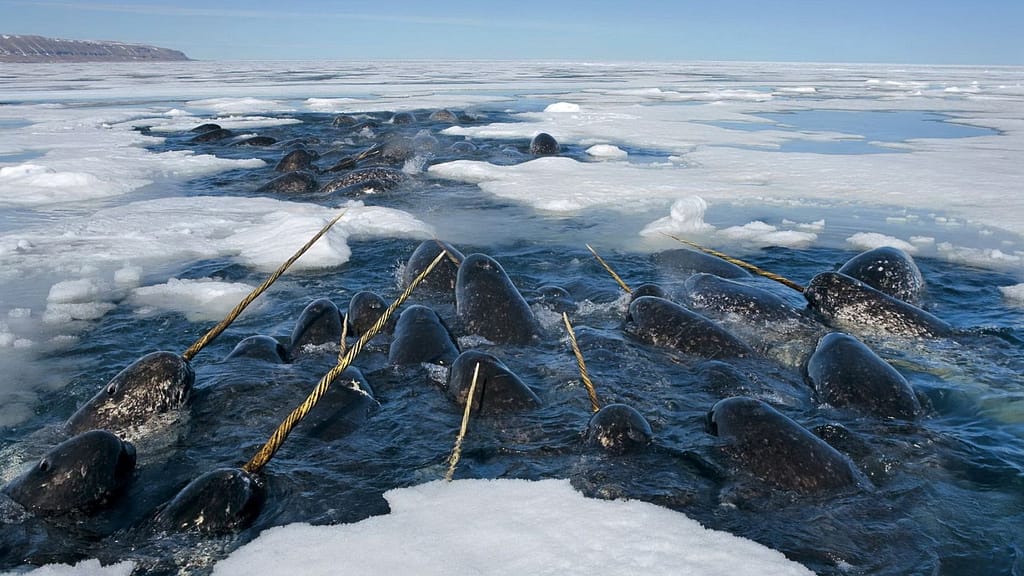
Unlike some whale species that migrate, narwhals spend their lives in the Arctic waters of Canada, Greenland, Norway and Russia. Most narwhals winter for up to five months under the sea ice. 

Narwhals can dive about a mile deep (1,6 kilometers) in the ocean. Cracks in the sea ice above allow them to pop up for air when they need it.

Narwhals change color as they age. Newborns are a blue-gray, juveniles are blue-black and adults are a mottled gray. Old narwhals are nearly all white.

Axolotl (they never grow up!)

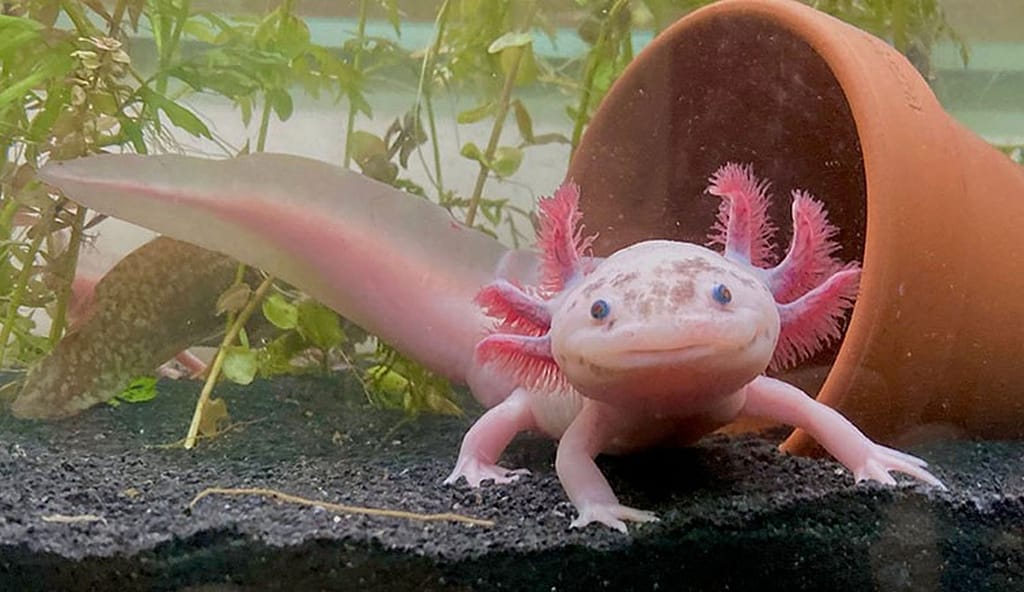
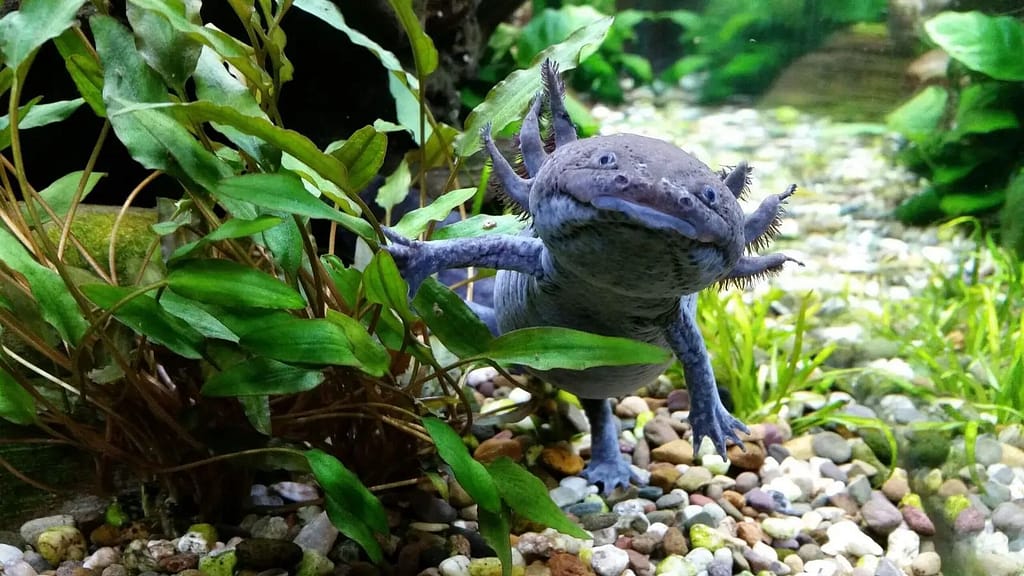
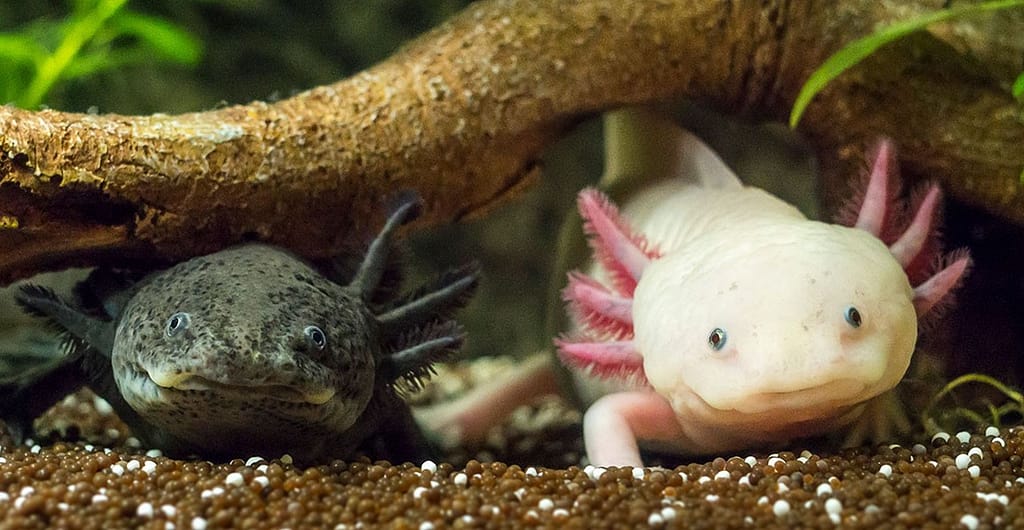
The Axolotl also known as ‘The Mexican walking fish’ is an amphibian, the same family as newts, frogs, and toads. Axolotls are distinct from other salamanders in that they do not go through metamorphosis; instead, they remain in their juvenile form their whole lives.

This means that, despite developing lungs, they breathe underwater using their feathery gills rather than their air-breathing lungs like adult amphibians normally do. Axolotls are normally dark-coloured, but can shift their hue a few shades lighter or darker for camouflage.

Axolotls are used extensively in scientific research due to their ability to regenerate limbs, gills and parts of their eyes and brains. For example, if a leg gets ripped or bitten off, it will fully grow back again after some time. One downside, however, axolotls can’t open or close their eyes like other mammals because they lack eyelids. 

The word Axolotl comes from the Aztec language Nahutal. “Atl” means “water”, whilst “Xolotl” is one of the Aztec gods. The translation of Axolotl therefore means water food or water monster. As the name suggests, the lakes of Mexico are the original home of these creatures. 

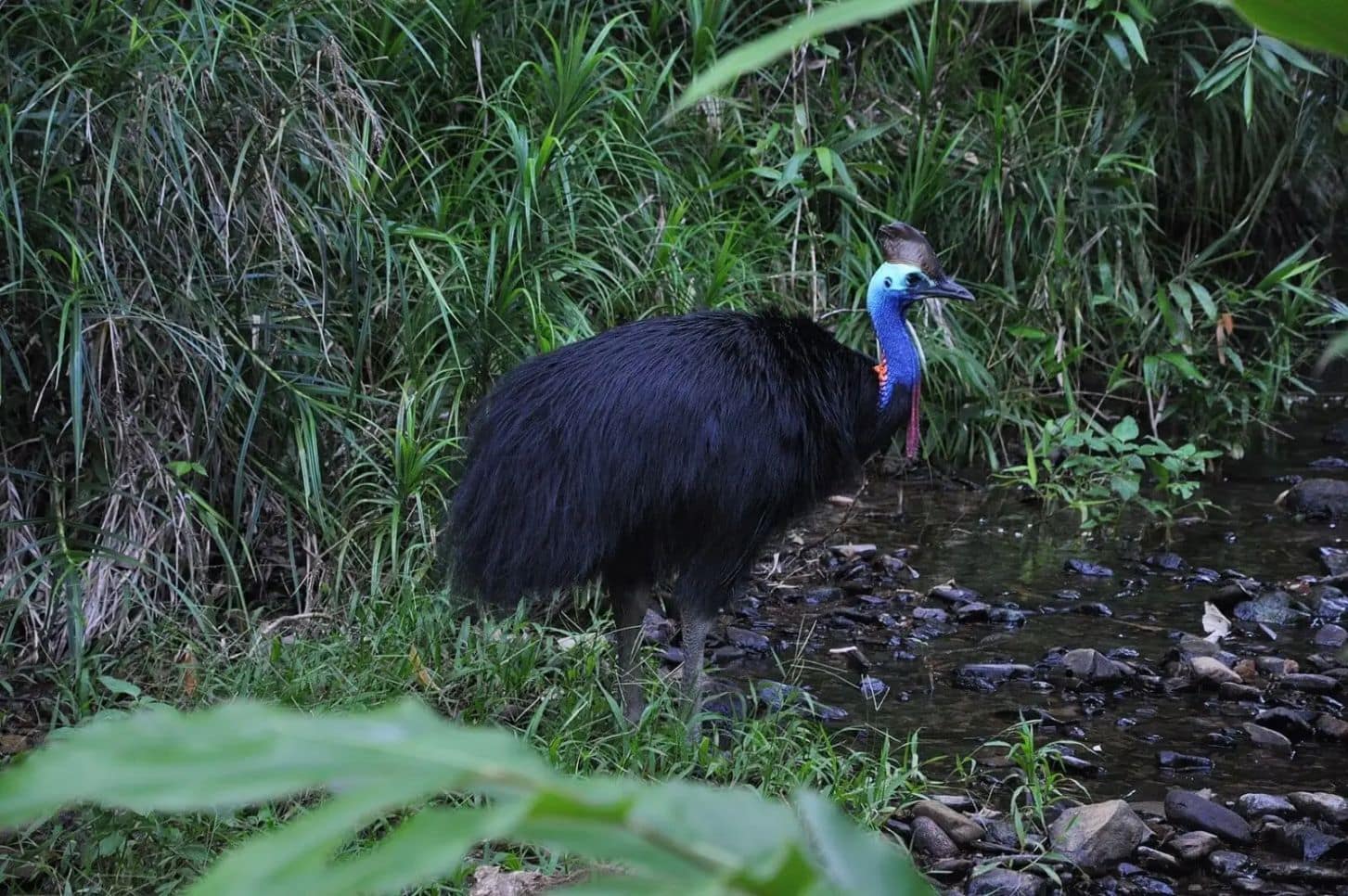
Cassowary (dinosaur bird)

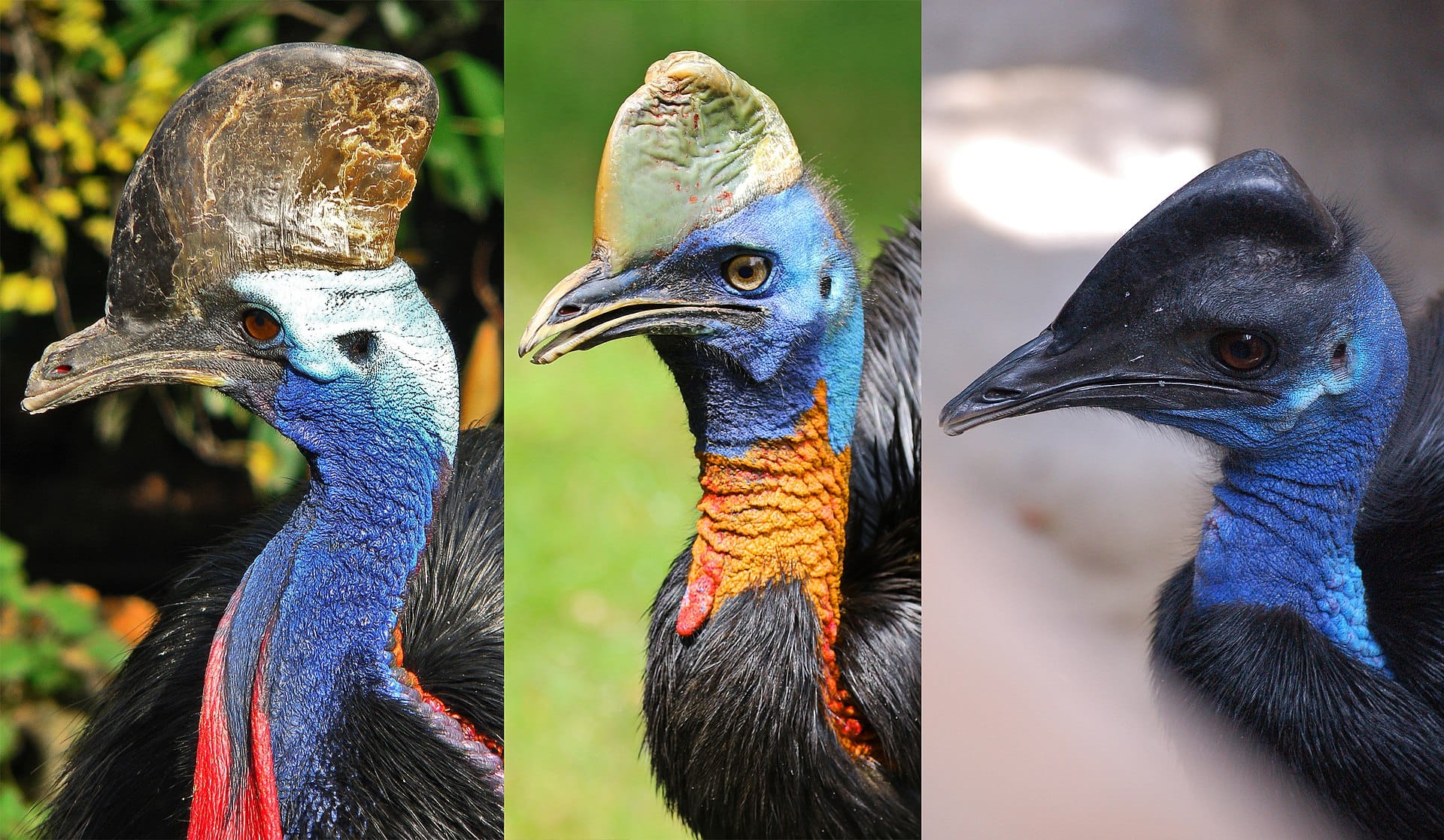
The cassowary is a large, flightless bird most closely related to the emu, ostriches, rheas and kiwis. Its name is from a Papuan word meaning ‘horned head’.  

All cassowary species have a casque, also called a helmet, made of a sponge-like material and covered with a thick layer of keratin, the same thing our fingernails are made of. 

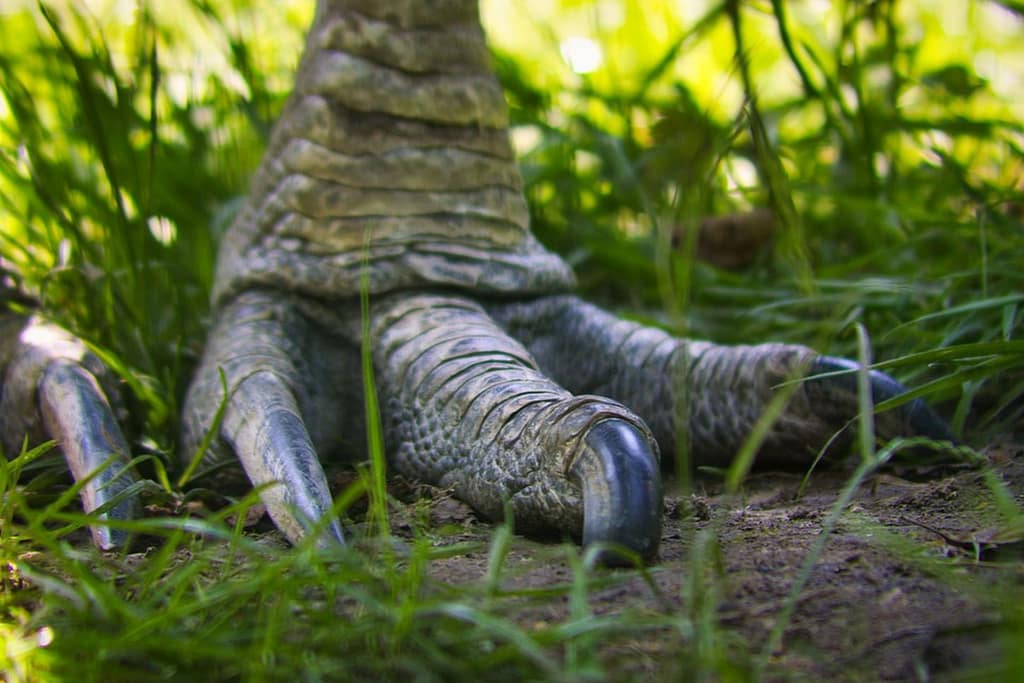
The cassowary is rightfully considered the most dangerous bird in the world! Each 3-toed foot has a dagger-like claw on the inner toe that is up to 4 inches (10 centimeters) long!

The cassowary can slice open any predator or potential threat with a single swift kick. Powerful legs help the cassowary run up to 31 miles per hour (50 kilometers per hour) through the dense forest underbrush.

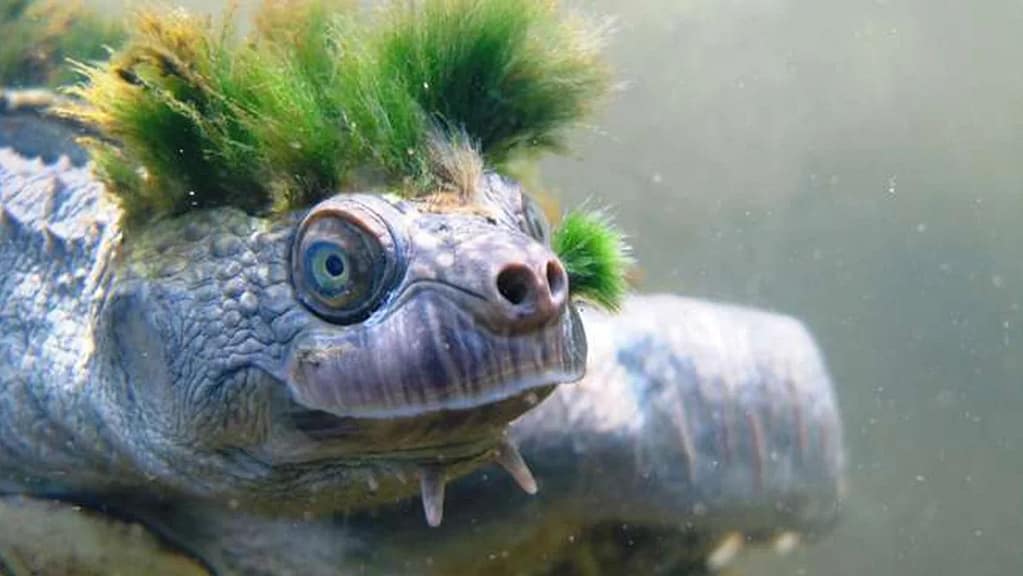
Mary river turtle (green punk-rock)

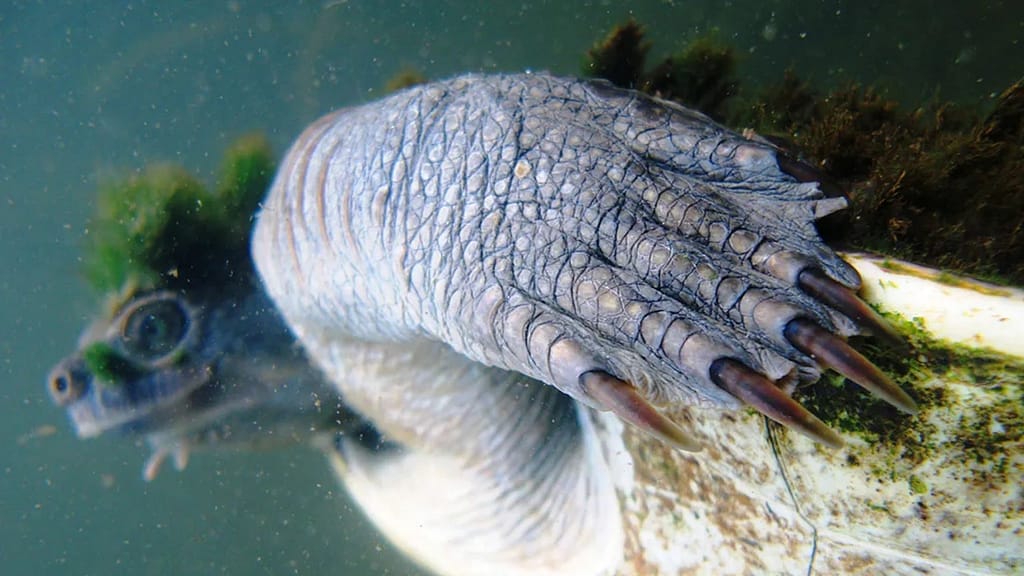
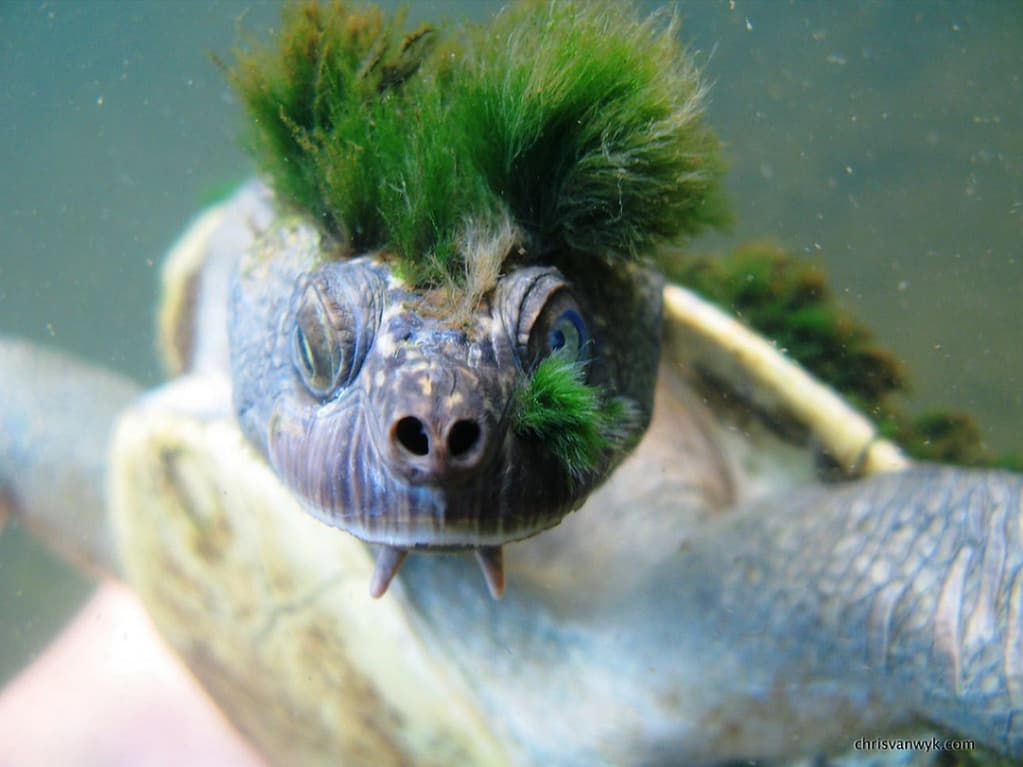
An Australian river turtle with a distinctive green punk-rock hairstyle and two spikes under its chin, the Mary River turtle, native to Queensland, Australia, has the unusual ability to breathe underwater through specialized glands in its cloaca (yes, his ass).

This biological function allows the turtle – referred to as a “butt breather” – to stay underwater for up to three days. That ability also usually provides these turtles with a vibrant green mohawk, the result of algae growing on their heads because of the extended time spent submerged.

These turtles spend most of their time in the water and are powerful swimmers. Females of this species usually lay up to 15 eggs on the banks of rivers or streams. When the young hatch, they are immediately able to move around and find food on their own. 

The Australian ‘genital-breathing’ turtle faces extinction. Sea turtles have lived for over 110 million years and are now considered to be endangered, relying on the work of conservationists to prevent their extinction over the next 50 years.

Olm (blind cave salamander)

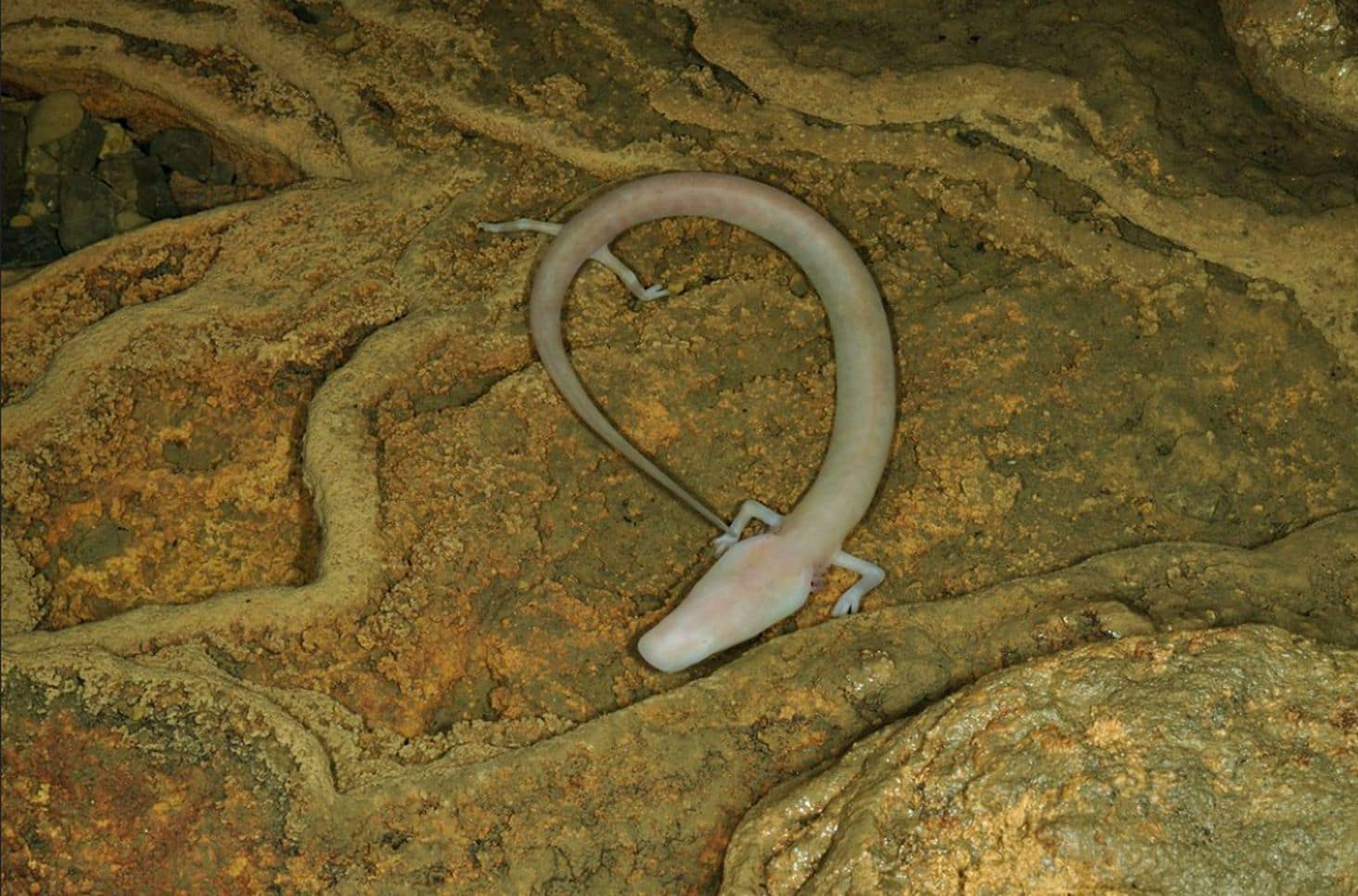
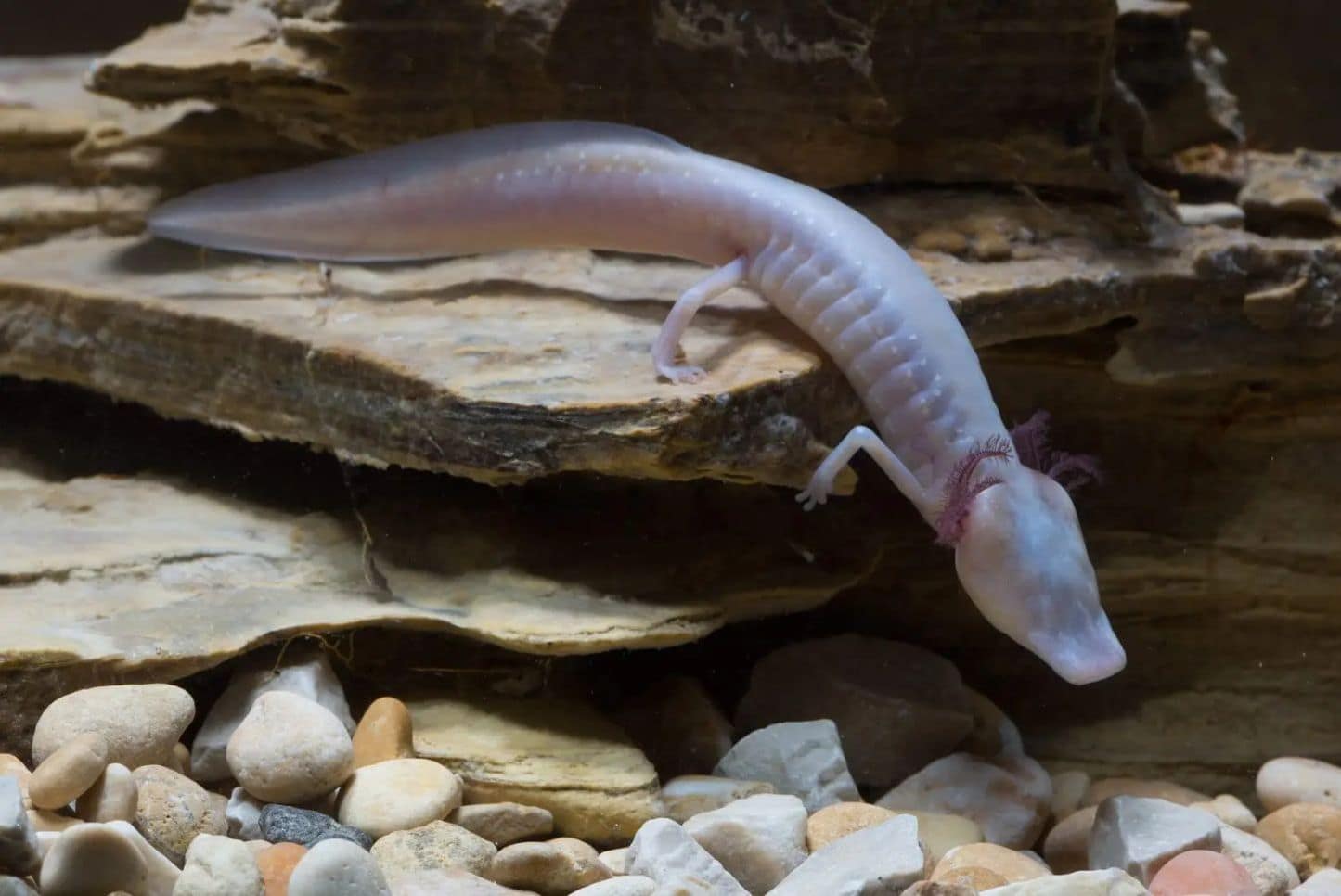
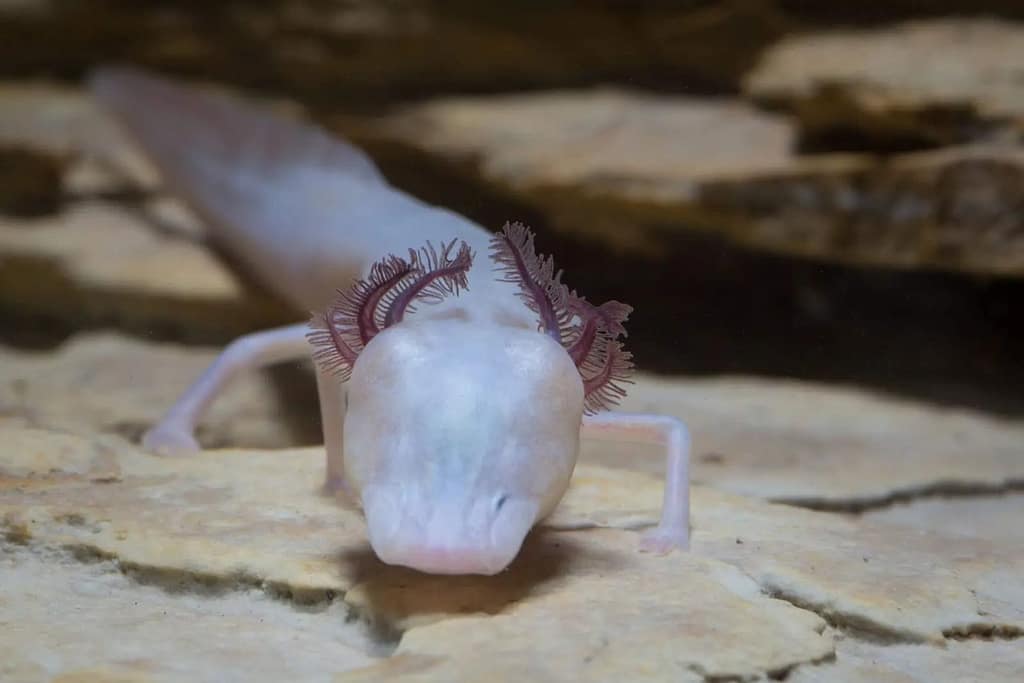
In the caves of Slovenia and Croatia lives a blind, cave-dwelling salamander, the olm, also called the proteus or the “human fish”, for its pale, pinkish skin.  In contrast to most amphibians, the olm is entirely aquatic, eating, sleeping, and breeding underwater. 

Olms hunt their prey in the absolute darkness and have developed a powerful sensory system of smell, taste, hearing and electrosensitivity. They are an entirely aquatic species that can survive without food for up to 10 years and can live for 58 years or more. 

With a body like an eel, an olm can propel itself quickly through pitch-black waters if needed, but most of the salamanders appear to prefer a sedentary (inactive) life. The olm’s eyes are undeveloped, leaving it blind, while its other senses, particularly those of smell and hearing, are acutely developed. It also lacks any pigmentation in its skin.