Mandarin fish (rainbow fish)

Mandarin fish are are tropical, marine fish found in warm water that can be be seen in much of the western Pacific including the Philippines, Indonesia, Hong Kong, Australia, and New Guinea. 
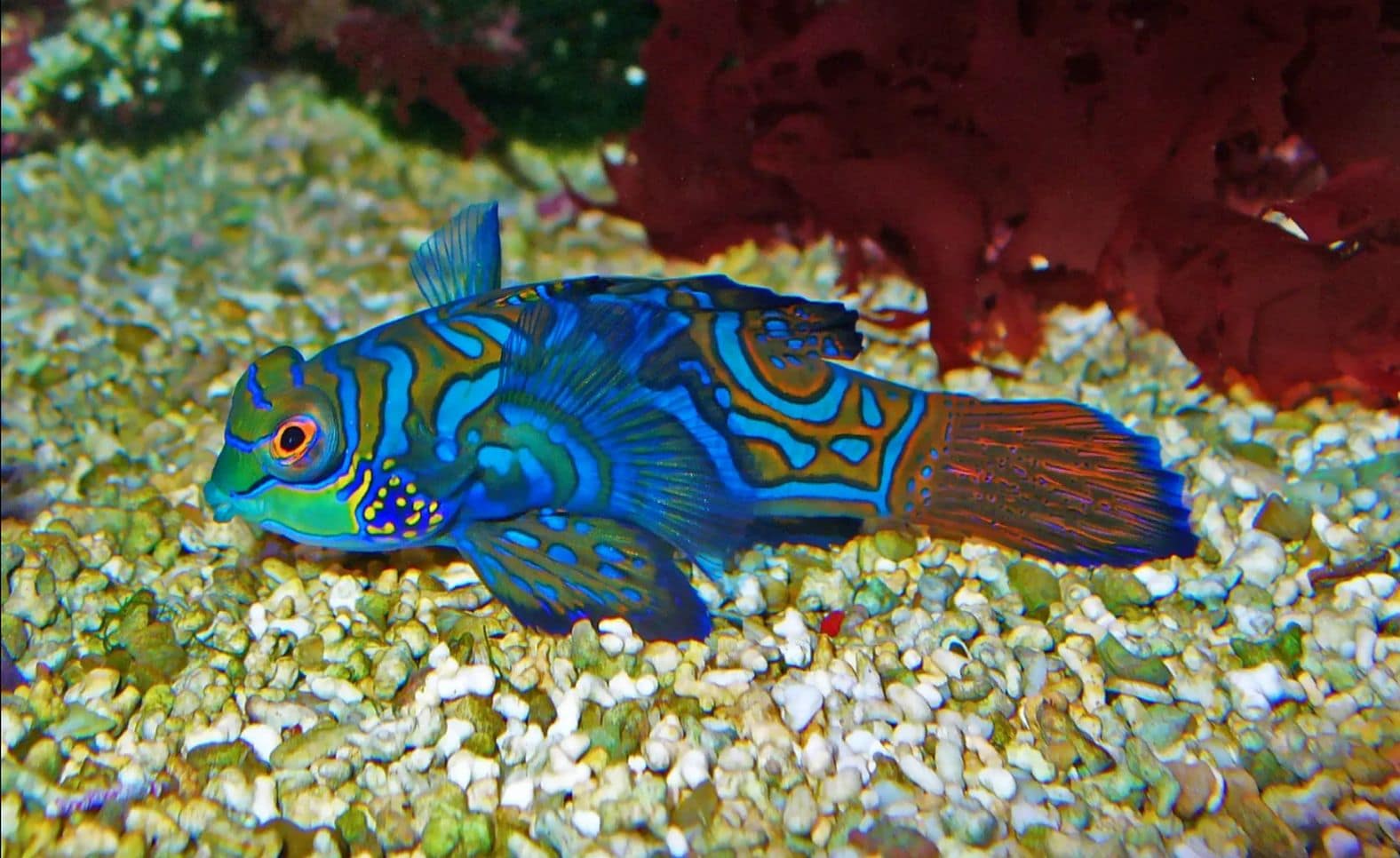
They have a broad, depressed head and are primarily blue with orange, red, and yellow wavy lines. Mandarin fish are small, reaching a maximum length of 6 cm (or 2,36 inch).
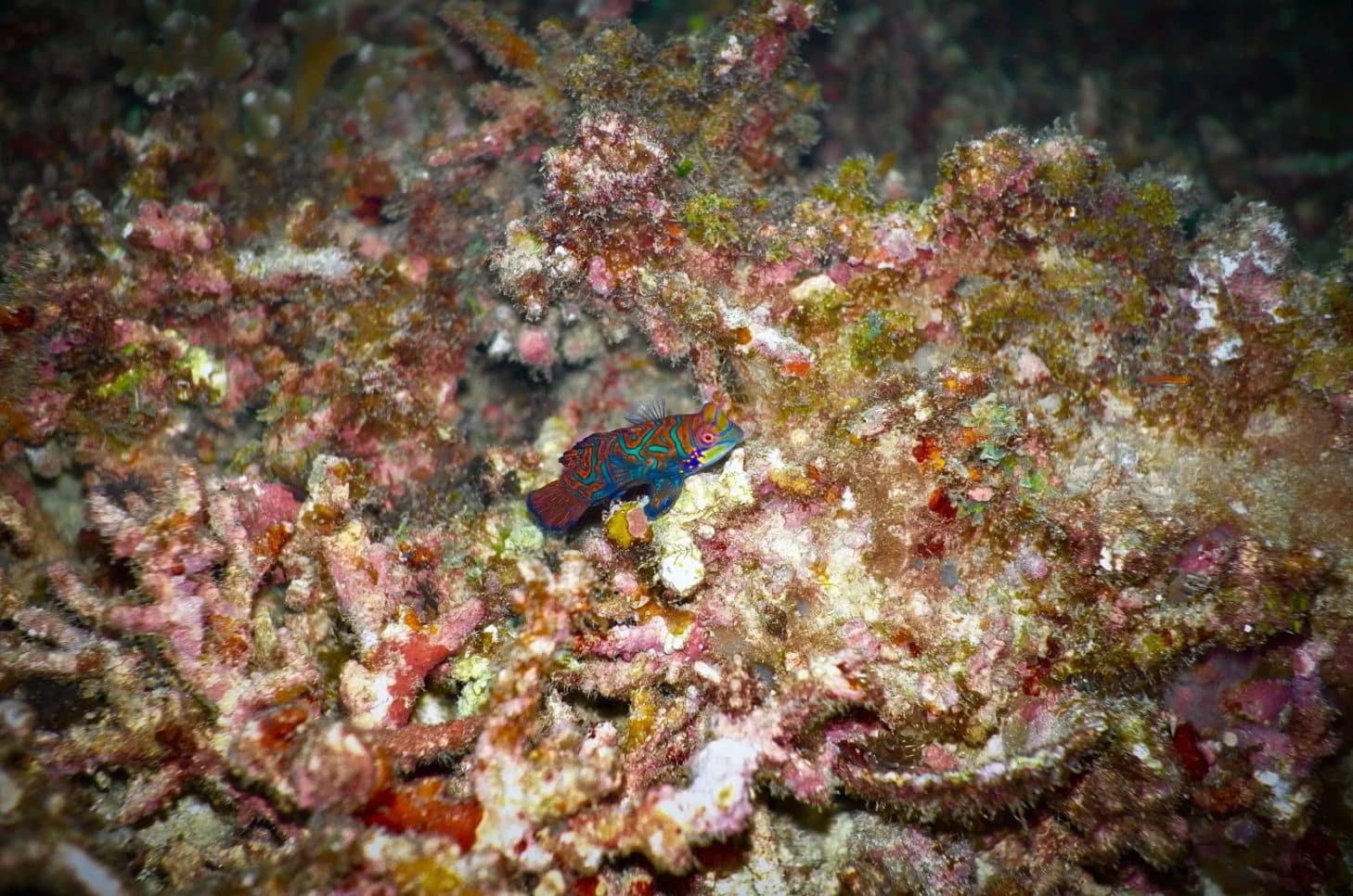
The vibrant colors of this species indicate to other animals that it is dangerous to consume. To make up for the lack of protective scales, the mandarin fish’s body produces an odorous, foul-tasting, toxic mucus.
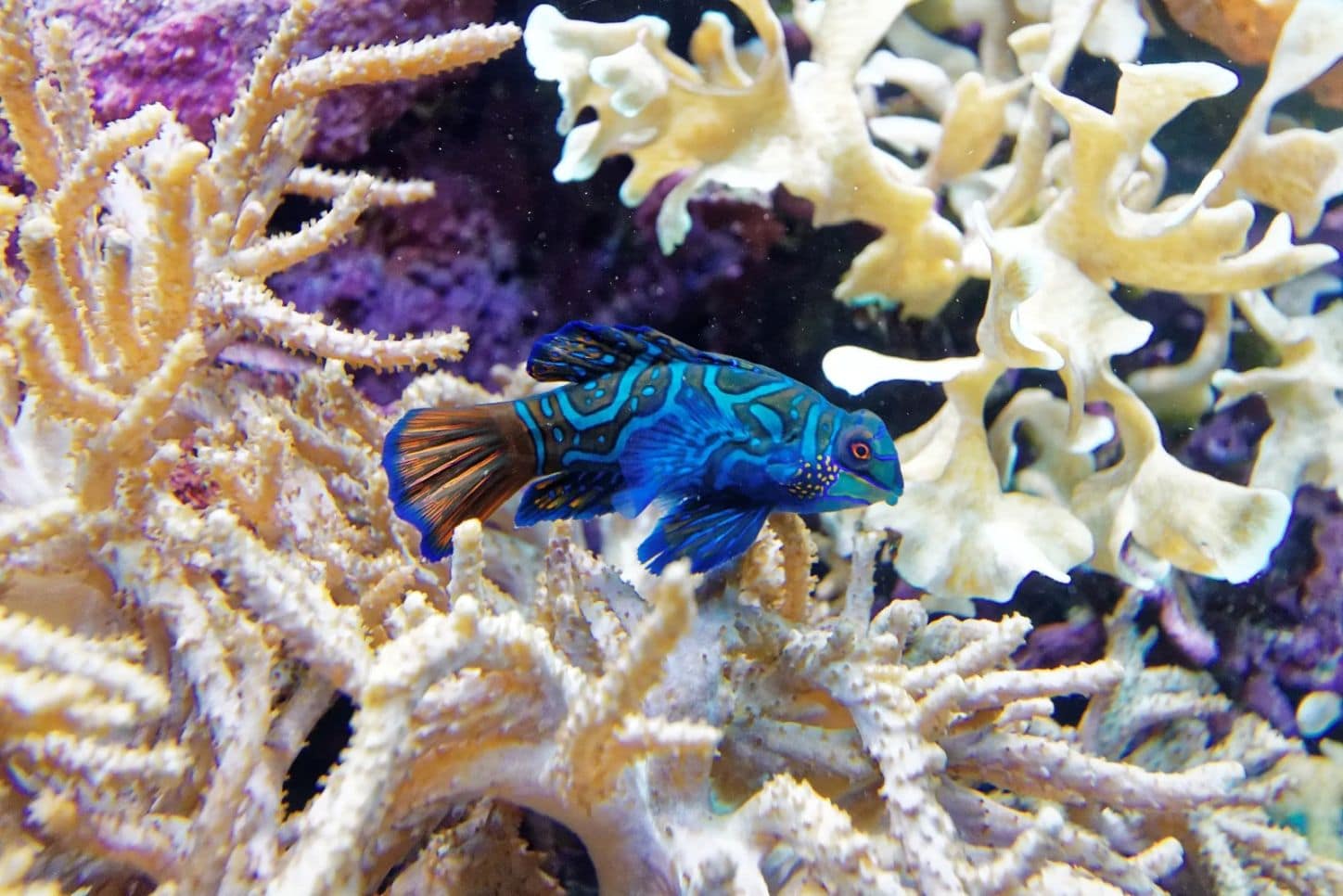
Mandarin fish are reef dwellers, preferring sheltered lagoons and inshore reefs. While they are slow-moving and fairly common within their range, they are not easily seen due to their bottom-feeding habit and their small size. They feed primarily on small crustaceans and other invertebrates.
Platypus (the alien beast)

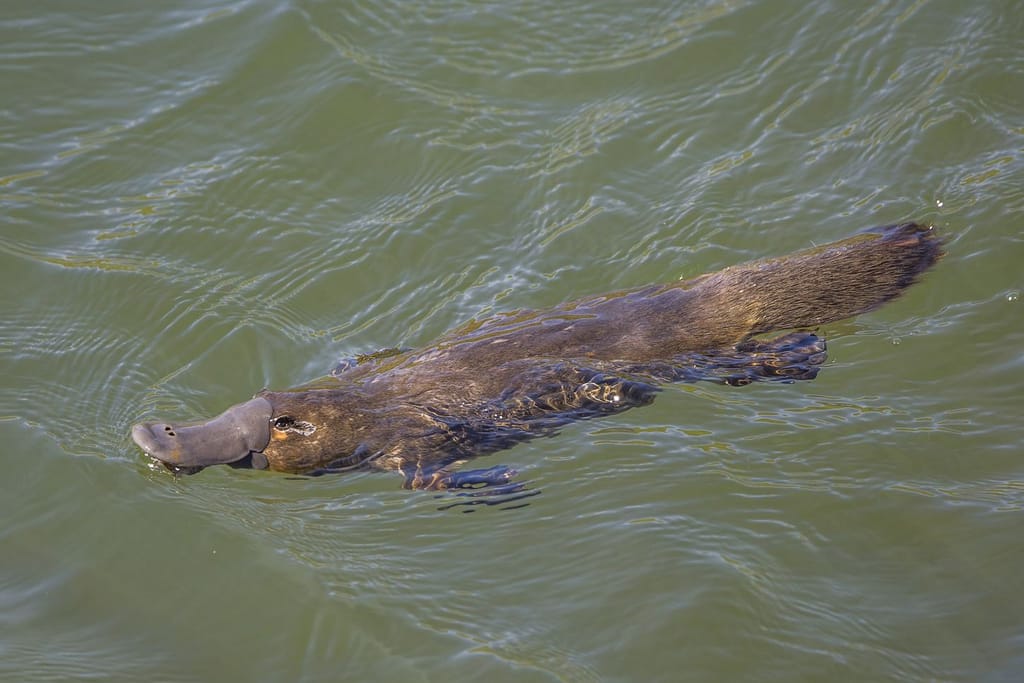
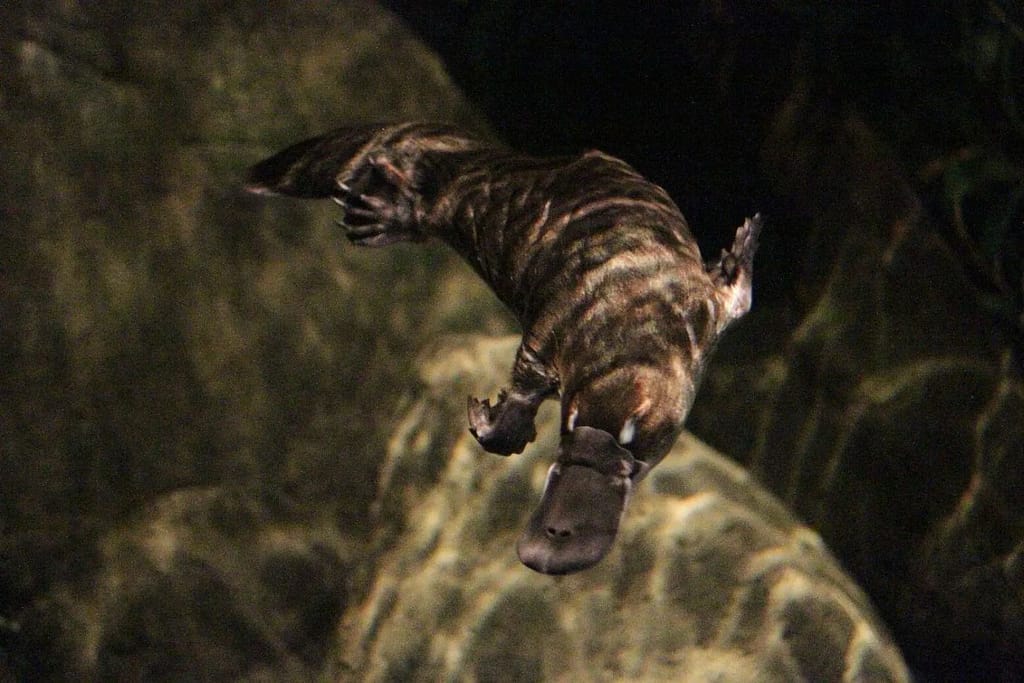
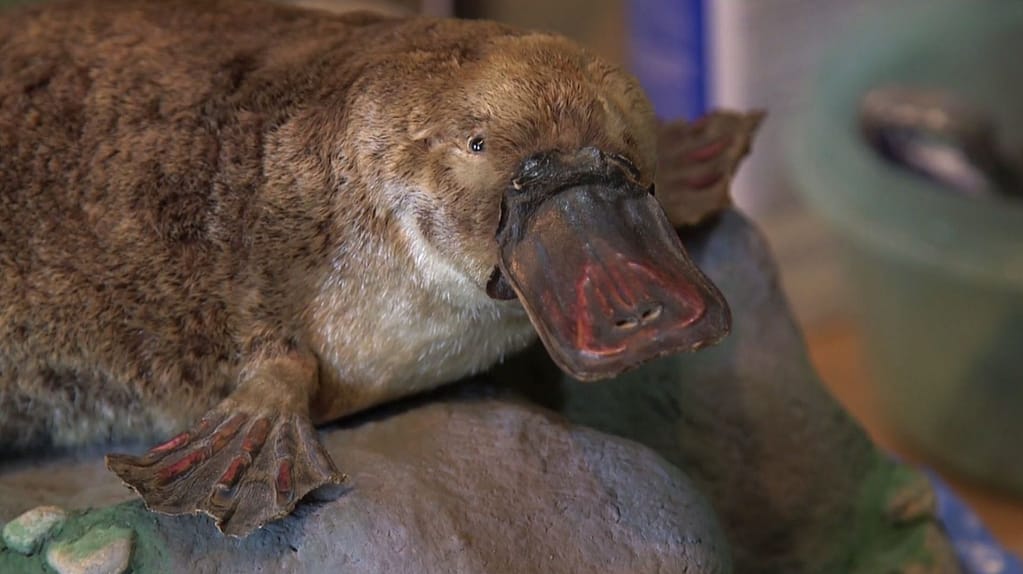
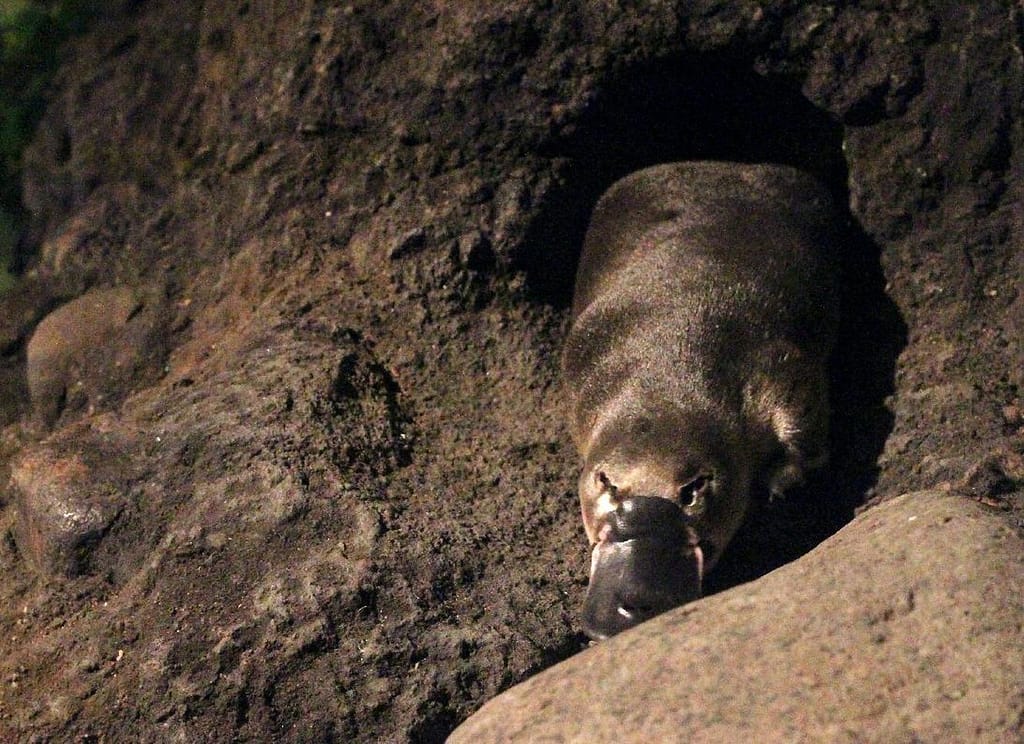
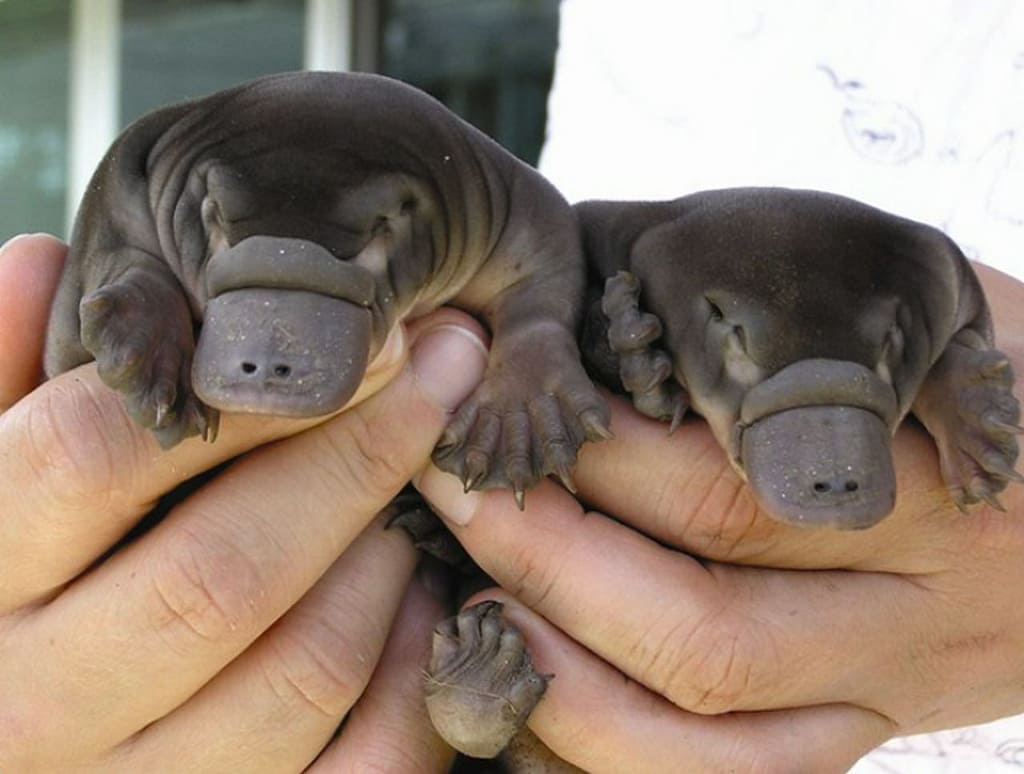
The platypus is among nature’s most unlikely animals. In fact, the first scientists to examine a specimen believed they were the victims of a hoax. The animal is best described as a hodgepodge of more familiar species: the duck (bill and webbed feet), beaver (tail) and otter (body and fur).

The platypus, sometimes referred to as the duck-billed platypus, is a semiaquatic, egg-laying mammal native to eastern Australia, including Tasmania. This remarkable creature is one of the few mammals that lay eggs instead of giving birth to live young and it is one of the few species of venomous mammals.

Males platypus have sharp stingers on the heels of their rear feet and can use them to deliver a strong toxic blow to any foe.

Platypuses hunt underwater, where they swim gracefully by paddling with their front webbed feet and steering with their hind feet and beaverlike tail.

Folds of skin cover their eyes and ears to prevent water from entering, and the nostrils close with a watertight seal … so … to hunt for food the platypus closes its eyes, ears and nose and lets its bill do the work.

Source: National Geographic – https://www.nationalgeographic.com/animals/mammals/facts/platypus

2012 – NY, hurricane ‘Sandy’

Hurricane Sandy (also called ‘Superstorm Sandy) caused an estimated $86 billion in damages and became one of the all-time biggest and most destructive storms in US history. 

The hurricane and its post-tropical cyclone was directly responsible for almost 150 deaths in the United States, Canada and the Caribbean.

Superstorm Sandy was actually several storms wrapped together, which made it so extremely powerful. 

It turned New York and many surrounding cities into a disaster zone – flooding streets, tunnels, subway lines and cutting power grids in and around the city.
Source: New York Daily News

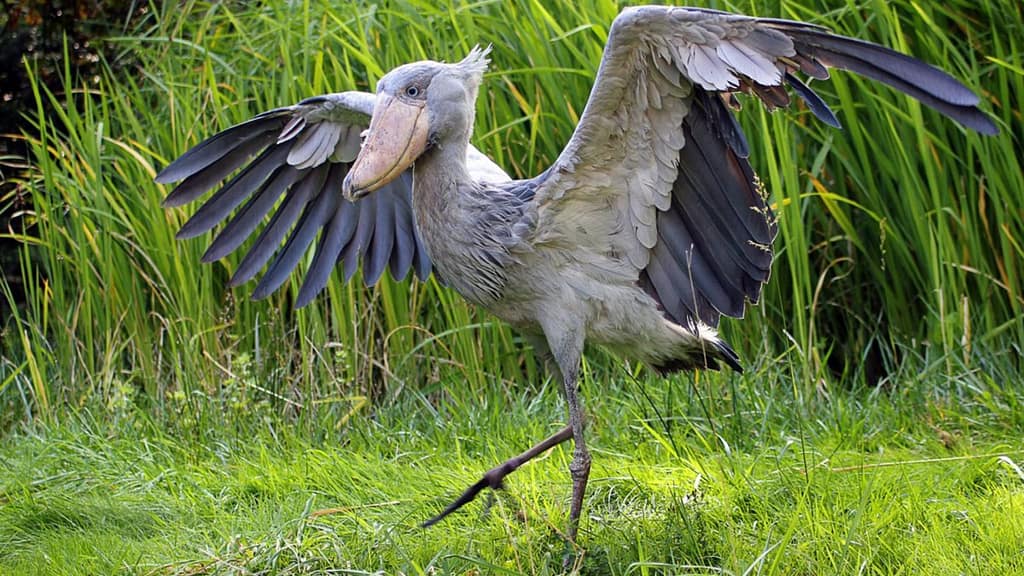
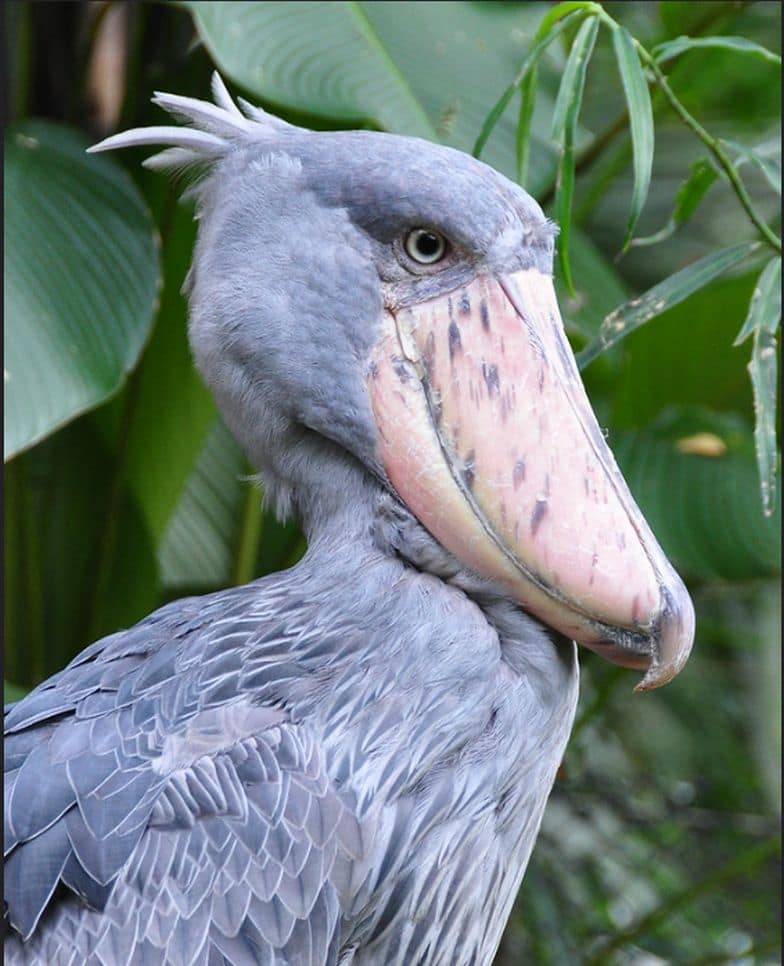
Shoebill (eyes that could kill)

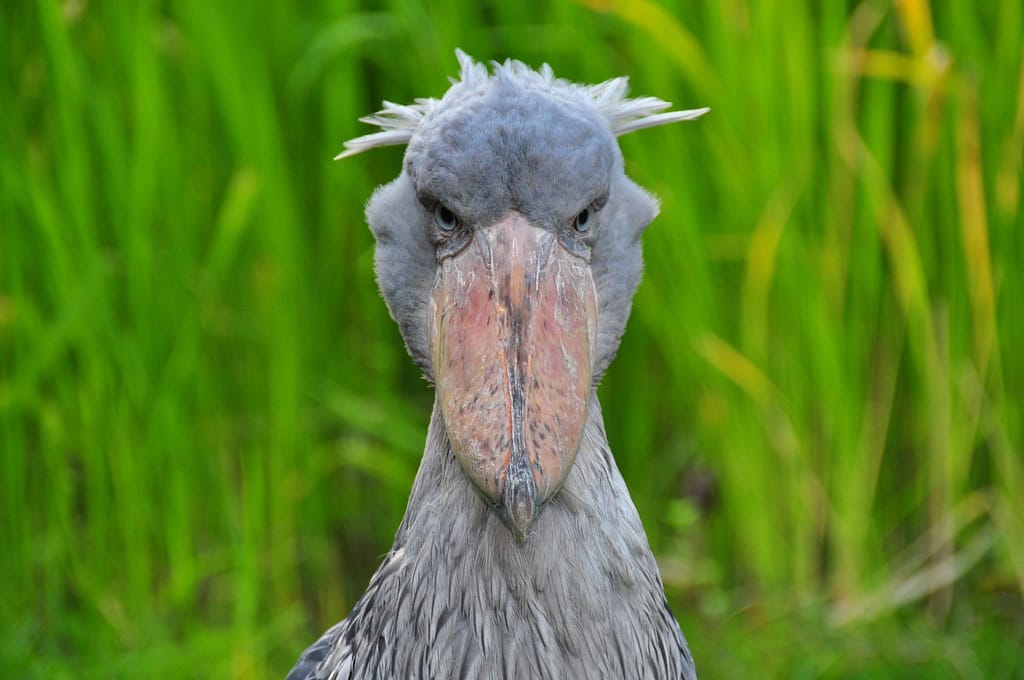
Shoebills are abnormally tall, with some individuals reaching heights of over 4 feet or 1 meter 20. Unlike many other birds that inhabit similar marsh environments, shoebills are highly effective predators. Their long legs are perfect for traversing shallow waters, where they prey on reptiles, rodents and fish. They are even known to strike against water snakes and young crocodiles!

Shoebills use their powerful beaks to grasp and strangle just about anything they encounter, but don’t worry — they don’t prey on humans. This amazing bird can be found in freshwater swamps in Africa from South Sudan to Zambia.

Shoebills are mostly inactive and can remain still as a statue for hours. Their patience pays off when it’s time to feed, allowing them to ambush unsuspecting prey who likely had no idea the motionless bird was lurking in the area. 

Source: Michael Gwyther-Jones

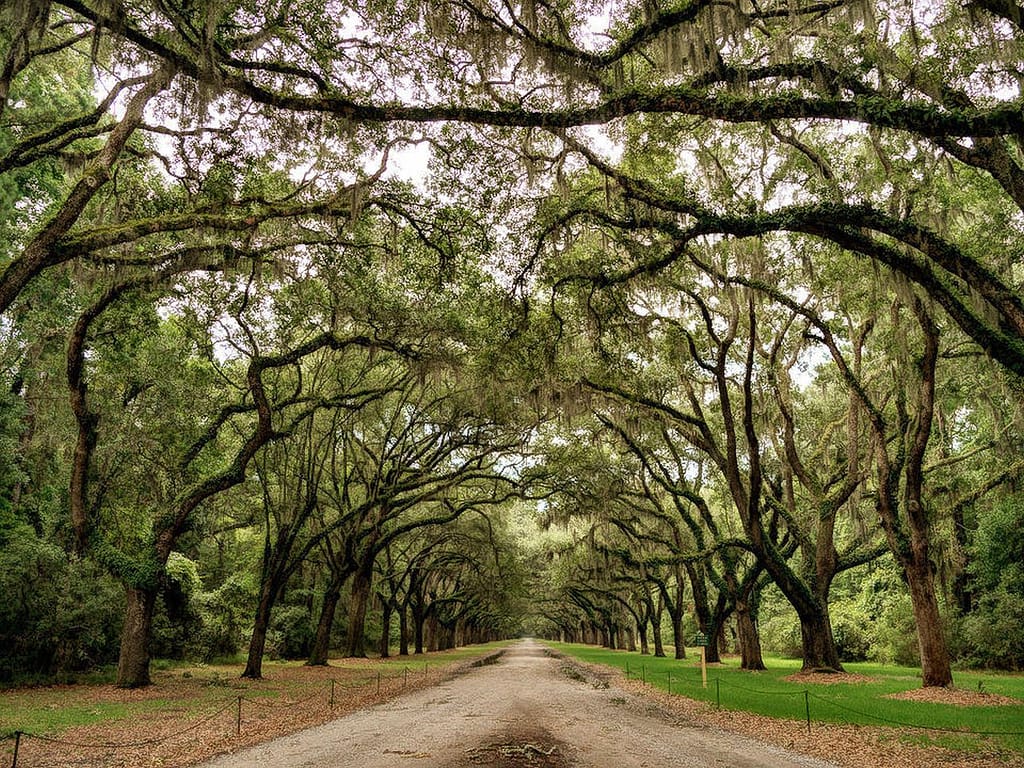
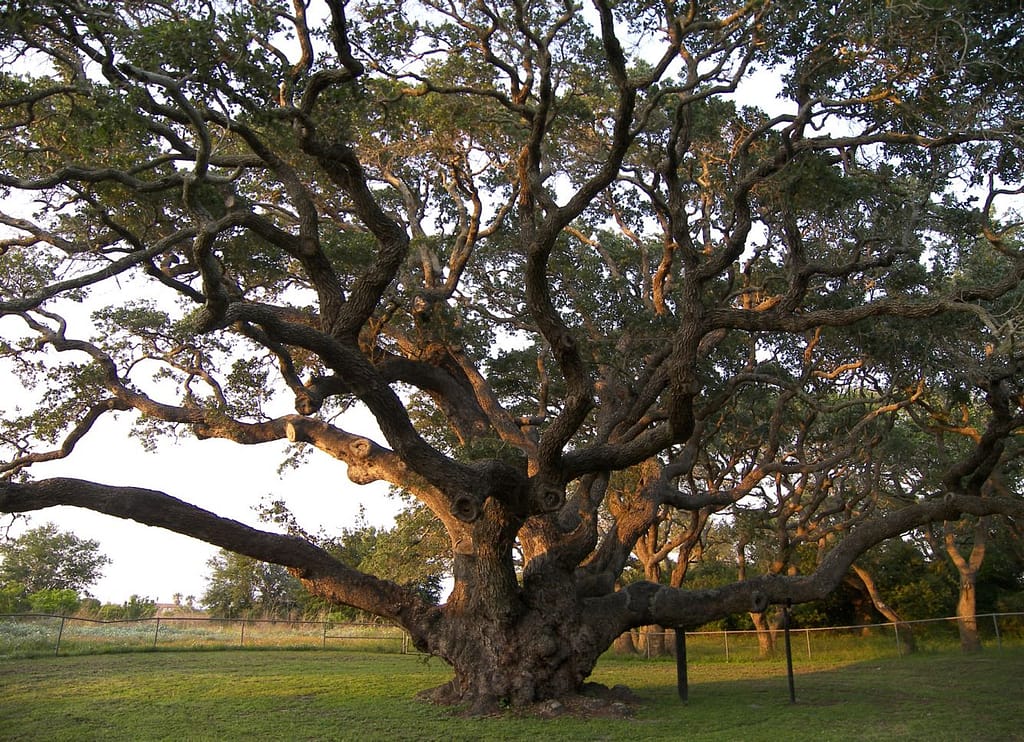
Live Oak (the Evergreen)

The live oak gets its name from the fact that, unlike other oaks, it doesn’t lose its leaves during the winter. Live oaks have been known to survive for hundreds of years!

The live oak provides shade and furnishes a habitat for hundreds of living organisms, including mammals, birds, insects, and other plants. The sweet, tapered acorns produced by the trees are eaten by birds and mammals, including woodpeckers, ducks, wild turkeys, squirrels, black bears, and deer. 

When given enough room to grow, their sweeping limbs plunge toward the ground before shooting upward, creating an impressive array of branches. 

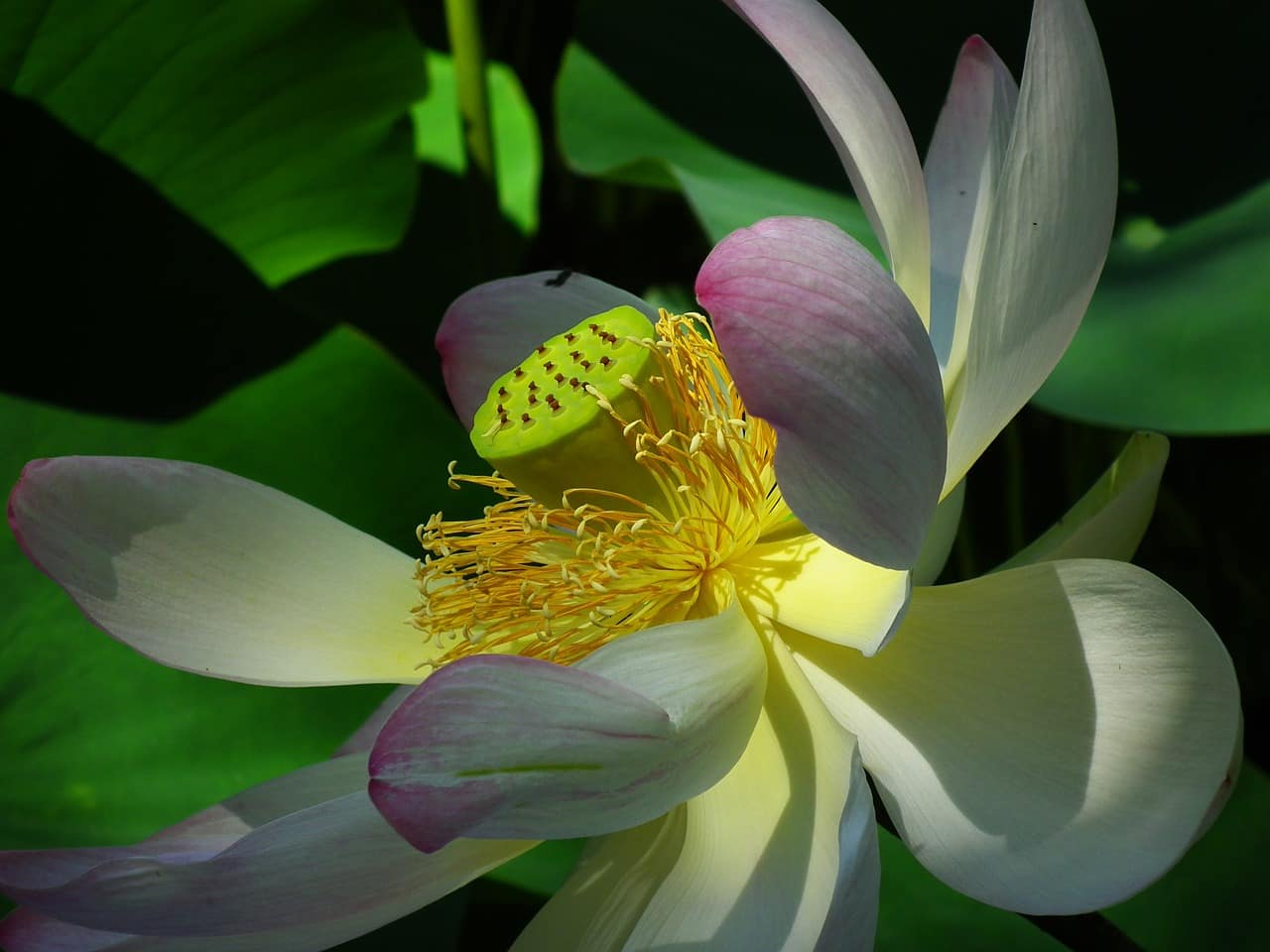
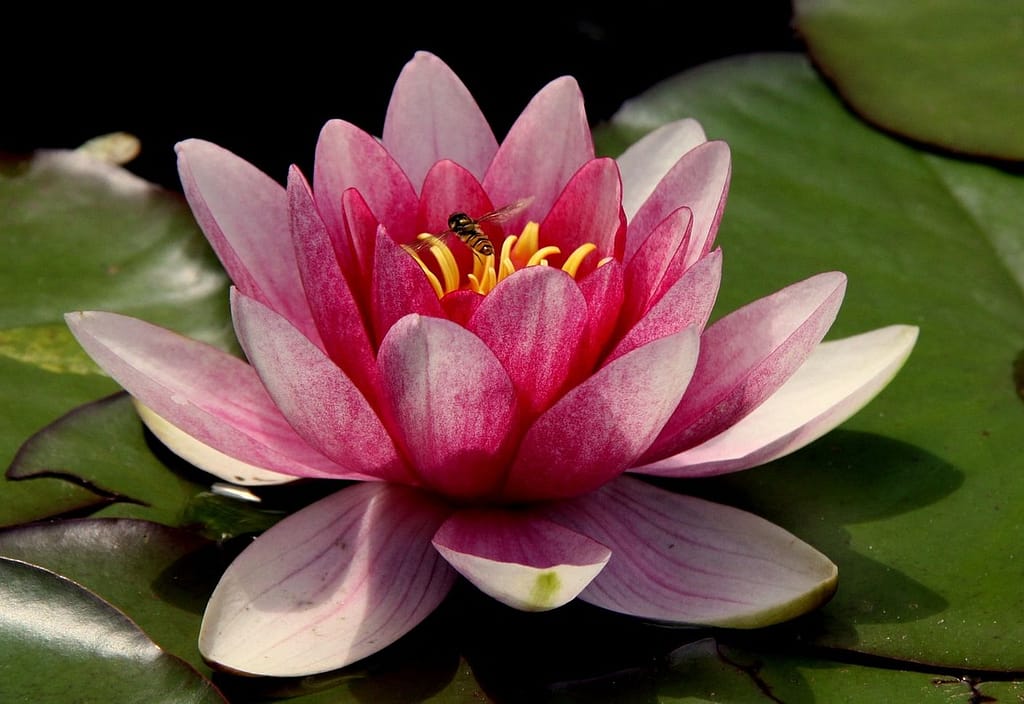
Lotus (it never really dies)

Lotus flowers, known for their natural beauty and varying features, have deep roots in history. Researchers estimate that the first lotus flower grew between 145.5 million years and 65.5 million years ago.

 What features have made the lotus flower so impervious to natural disasters and capable of withstanding the test of time? The secret lies in their unique growth pattern. Lotus flower seeds can survive for thousands of years, even without water. 

The Yangtze River in Asia catastrophically flooded in 1954, putting this characteristic to the test. That year, the lotuses in the region died as their root systems were torn. This lasted until 1957 when the water levels finally receded. 

As soon as the water levels returned to normal, the lotus flowers picked back up as if nothing had happened. They began to grow again in vast populations, concentrated mostly in the shallow parts of the lake. This growth was possible because, although the lotus roots were destroyed, their seeds had remained intact even throughout the flooding.

Adding to the lotus flower’s durability is the fact that it can purify the water it grows in, and can even resist pollution! They submerge below the water each night and rebloom in the morning, without trapping any damaging residue from their environment, no matter how acidic or dirty it might be. 

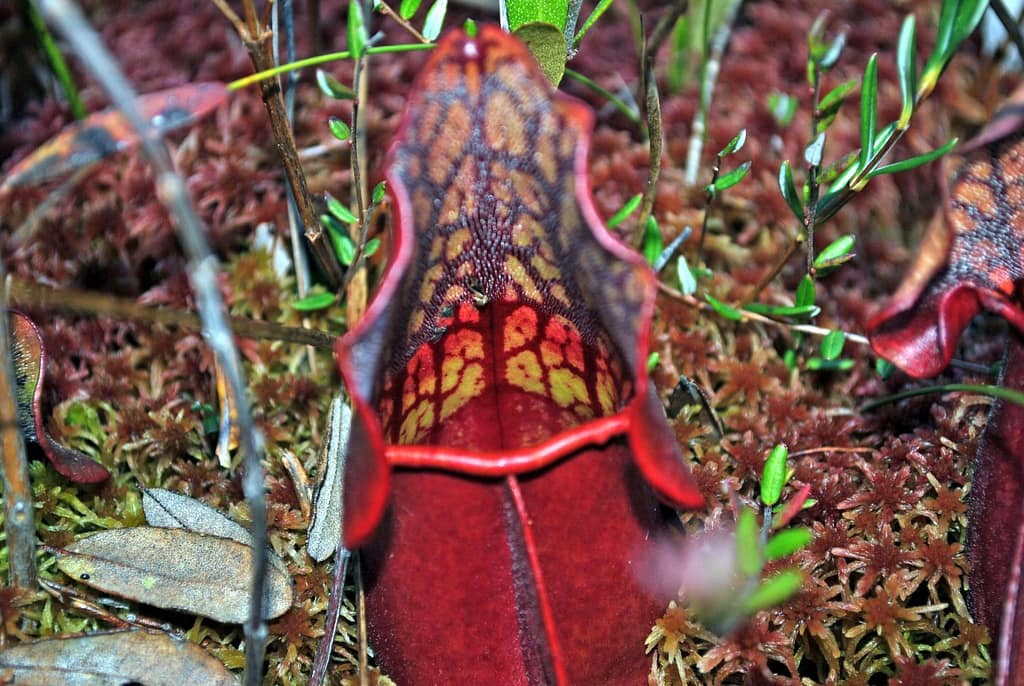
Attenborough’s pitcher plant (Rat-eating plant)

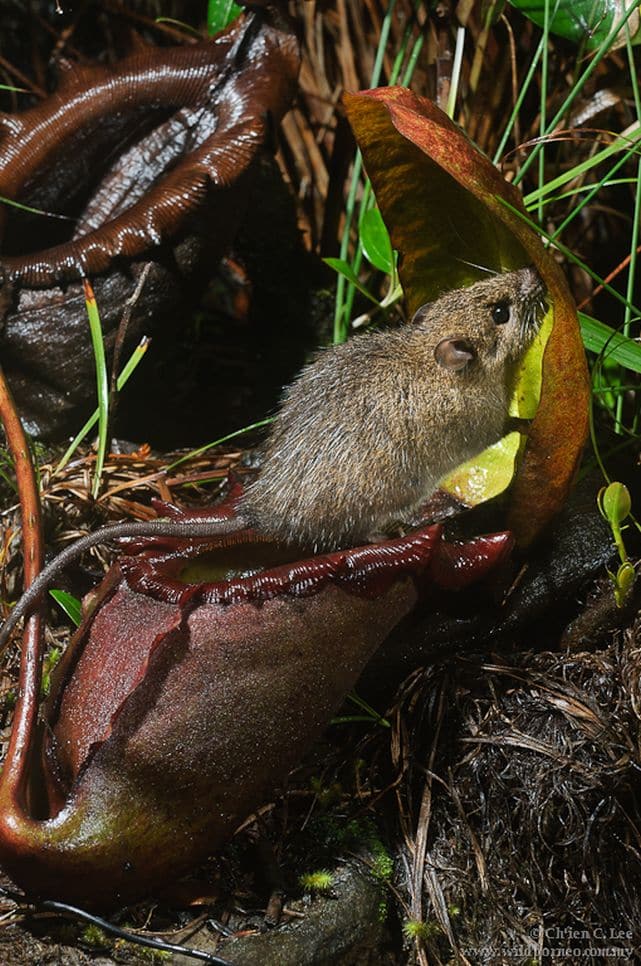
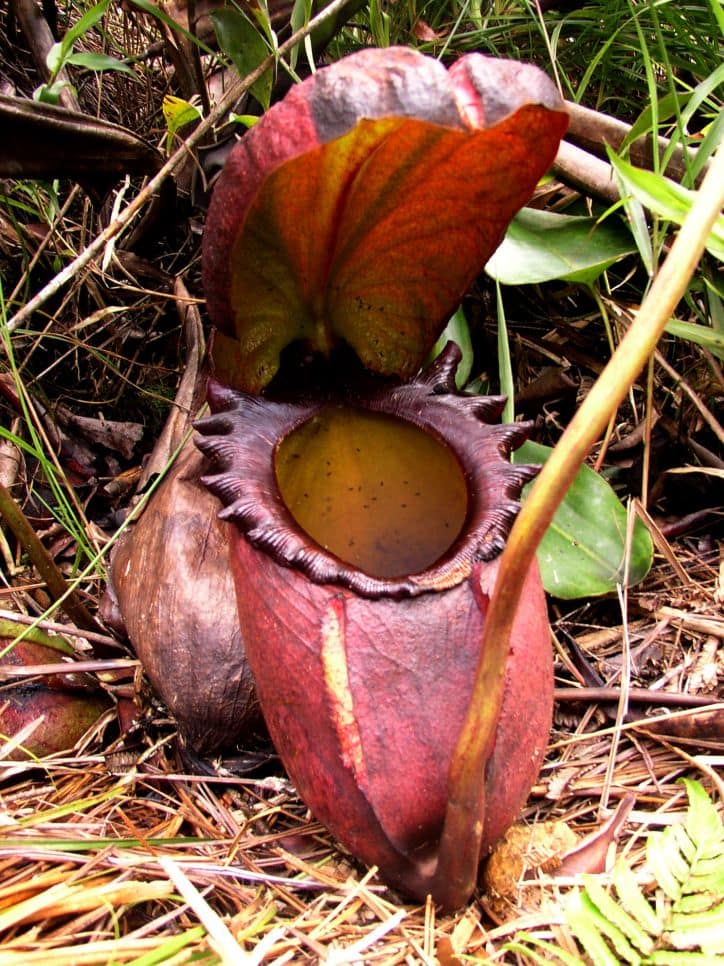
Deep in the jungle primeval, Nepenthes attenboroughii awaits its furry prey. But this isn’t a stealthy cat or poisonous lizard. It’s a plant, and it eats rats.

Officially labeled the Attenborough’s pitcher plant, after the world-renowned British TV naturalist sir David Attenborough, this rat-eating planet is the largest of all carnivorous plants in the world. The leaves are up to 30 cm long and 10 cm wide and the plant can reach a height of up to 1.5 m. It’s huge! The specimen which was used to define the species was collected at the top of Mount Victoria in central Palawan in the Philippines.

The plant lures in the rats with the promise of sweet nectar. When the rat leans into the plant to drink the saccharine liquid, it slips on the pitcher’s waxy interior, and gets stuck in the gooey sap. Once it is trapped, acid-like digestive enzymes break down the still-living rodent.